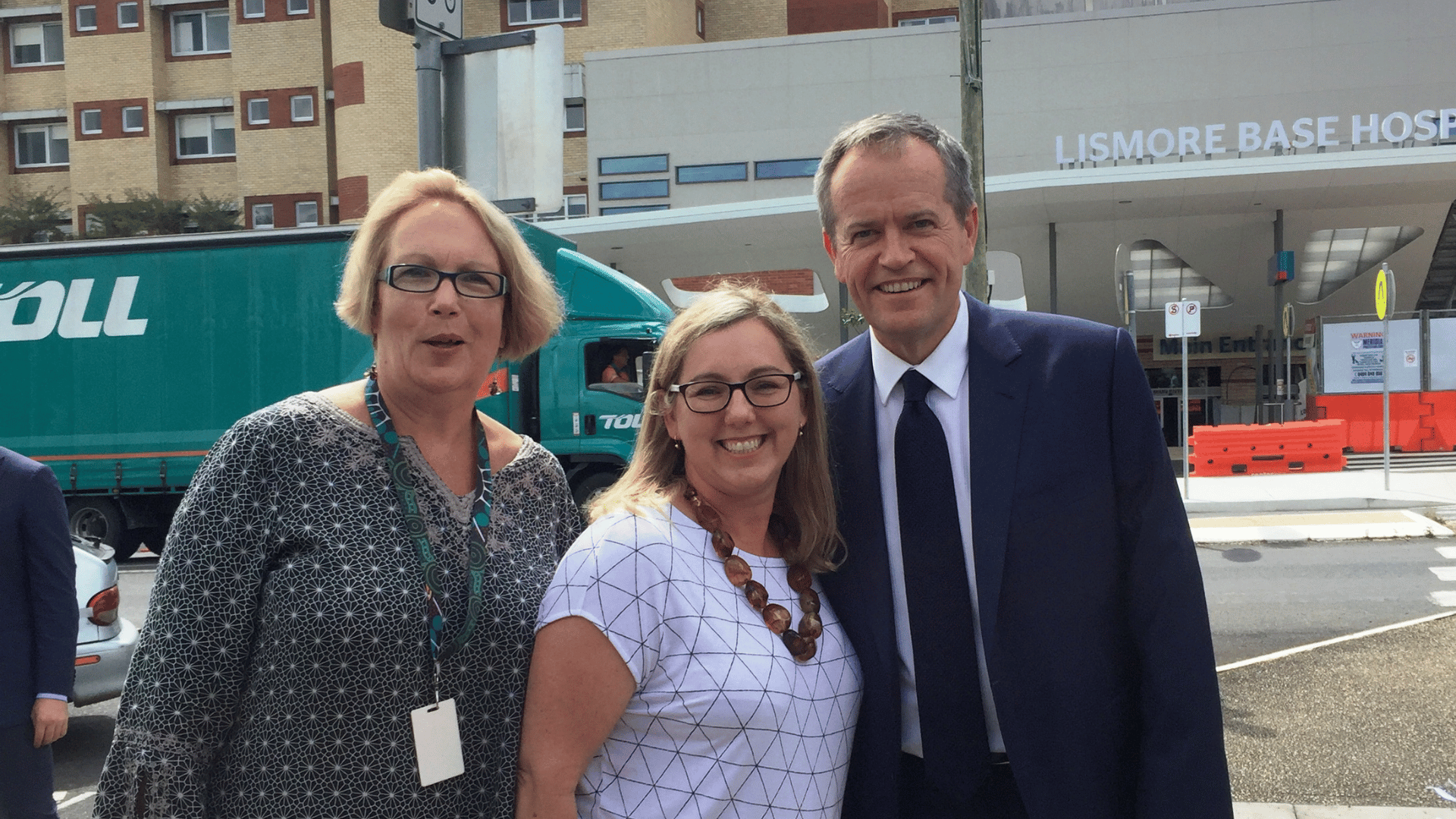
Rural clinical placements can sound, from the outside, like a matter of logistics. Find a student. Find a placement. Match the dates. Hope everyone has a car. But when Lindy Swain arrived at UCRH in 2006, she saw something bigger. Placements were not just about learning. They were an opportunity to connect students with communities and communities with support they otherwise might not receive.
A pharmacist by training, Lindy joined UCRH as a part-time pharmacy academic. She quickly grew restless with the idea that students should spend their placements doing the same things they had already done elsewhere.
“I started designing all these crazy, crazy things for them to do whilst they were here in the Northern Rivers,” she recalls.
That included sending pharmacy students to primary schools in Woodenbong and Bonalbo, where they had to explain complex health topics to young children. The exercise was simple: if you can’t explain it to a Year 2 student, do you really understand it yourself?
A decade later, the Australian Government consolidated several rural training initiatives into the Rural Health Multidisciplinary Training program. More allied health students were coming to rural Australia and UCRH needed new ways to support them.
Lindy saw an opportunity.
“How do we teach all these students and put them through clinical placement and meet their university requirements and give them a meaningful experience?” she remembers asking.
The answer became service learning placements.
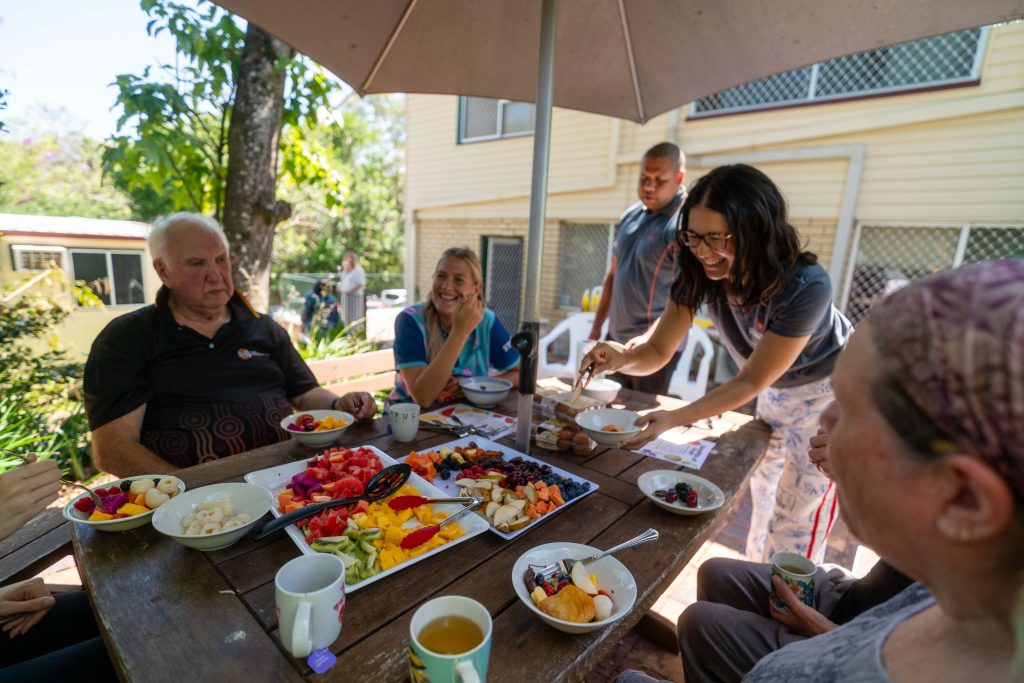
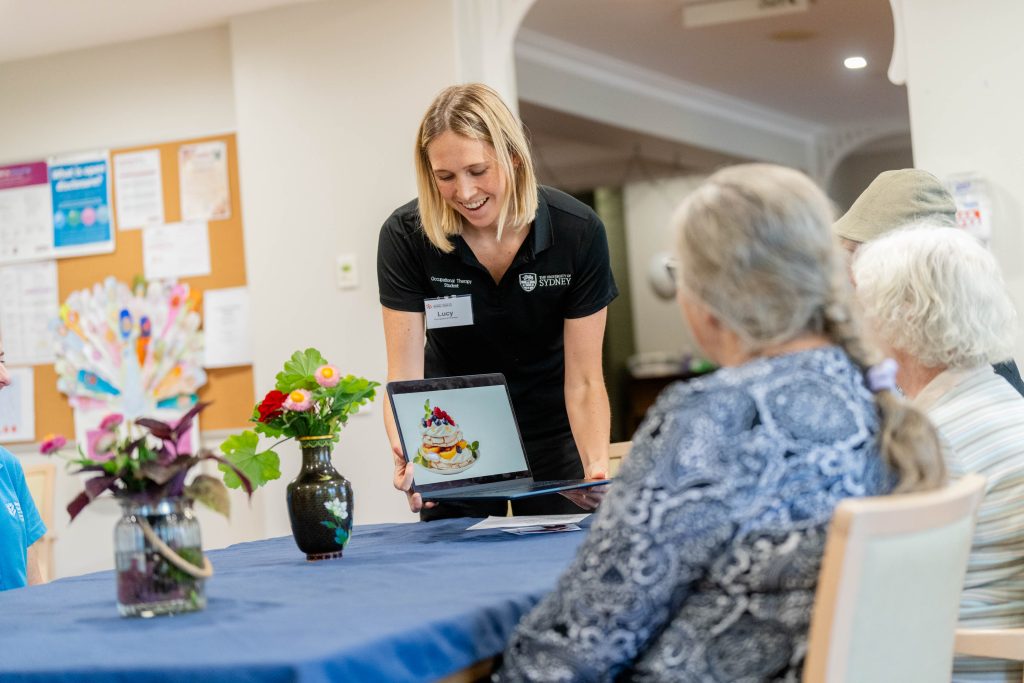
Rather than placing every student in a traditional health setting, UCRH began co-creating supervised placements in schools, aged care facilities and community organisations. Students still developed their professional skills, but they also learned communication, problem-solving and how to work with people whose lives rarely fit neatly into a textbook.
Initially not everyone was immediately convinced. Schools worried they were already “full up”. Universities and professions were accustomed to more traditional placement models. Lindy describes herself as “a bit of a salesperson” during those early years, helping partners understand what students could contribute.
What persuaded people was seeing the results.
Students arrived nervous about having greater responsibility. They left with confidence.
“We were frightened in the beginning,” Lindy remembers them saying in their reflections, before describing how they finally understood where they fitted within their profession. Some told her, “I think I’m going home a changed person.”
For Lindy, those moments made the work to meet every challenge worthwhile, especially when it took openness and often a healthy dose of courage.
“It’s about [saying] yes, we’ll do that, but we’ll have to find a way,” she says.
That mindset helped shape a placement model that continues to influence students, support communities and strengthen the rural health workforce. It also captures something essential about UCRH’s first 25 years: a willingness to think differently, solve problems and keep opening doors that did not previously exist.
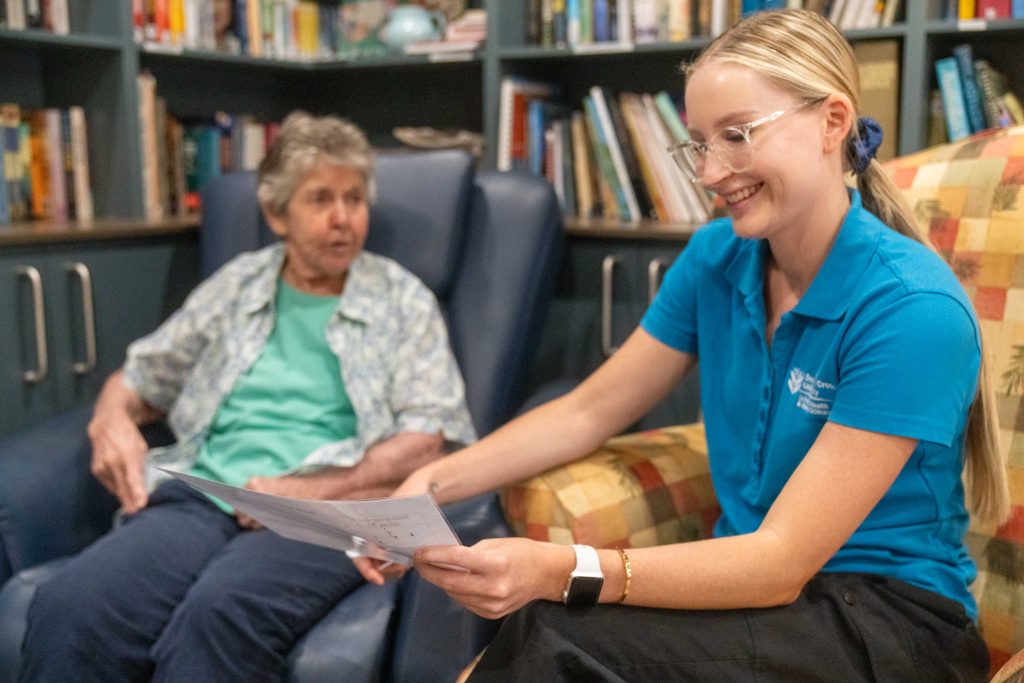
incorporatre a variety of settings, students from
many allied health disciplines and a multiplicty of
universities.