The challenge with being one of only a few Aboriginal staff members in an organisation is that sooner or later somebody starts asking you to speak for an entire – and incredibly diverse – culture.
Not because they’re trying to be difficult. Usually because they’re trying to do the right thing.
But asking one person to carry every question, every opinion and every cultural perspective is a heavy load.
More than a decade ago, UCRH’s Associate Professor Emma Walke, with the support of then Director Professor Ross Bailie, figured there had to be a better way.
Together with colleague Tracey Piccoli she helped bring together the organisation’s Aboriginal staff to create what would become the Caucus Not Caucus, or CNC.
“We’d had conversations about people asking one person to speak on behalf of everybody,” Emma recalls. “We wanted a way of coming together as a group rather than one person answering on behalf of everyone.”
The name arrived with a laugh after a meeting.
“We jokingly said ‘caucus not caucus’,” Tracey remembers. “And then thought, actually, we should really go with that.”
What began as a regular catch-up has grown into something much bigger.
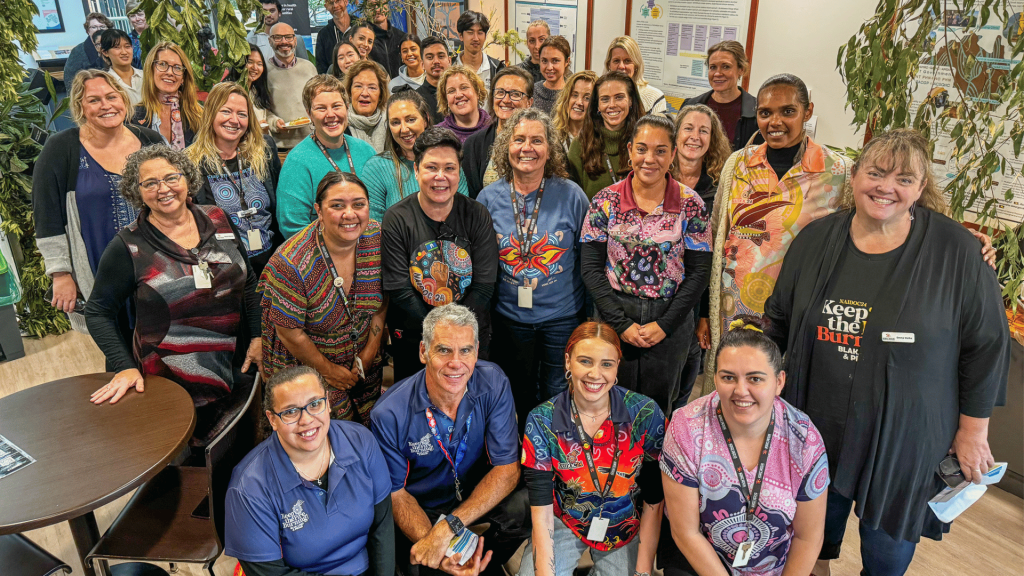
Today CNC brings together Aboriginal and Torres Strait Islander staff from across UCRH. There are researchers, educators and professional staff. Different backgrounds. Different experiences. Different Nations. Yet the words that come up again and again when members talk about CNC are belonging, safety and support.
When Jasmine Pilling arrived at UCRH, she was searching for connection.
“Coming into the CNC really created that sense of belonging and identity for myself,” she says. “It created a space where I felt supported and safe to grow.”
For Marcelle Townsend-Cross, CNC helped bridge the gap between arriving at UCRH and finding her place within it.
“The CNC was kind of like the translink,” she says. “It carried me along while I worked out where I fit here.”
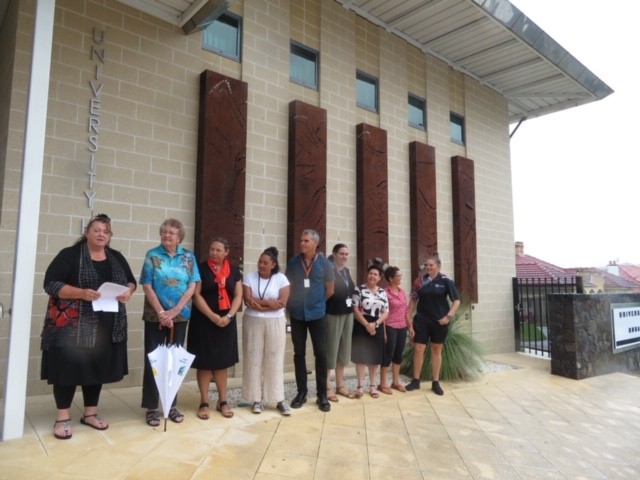
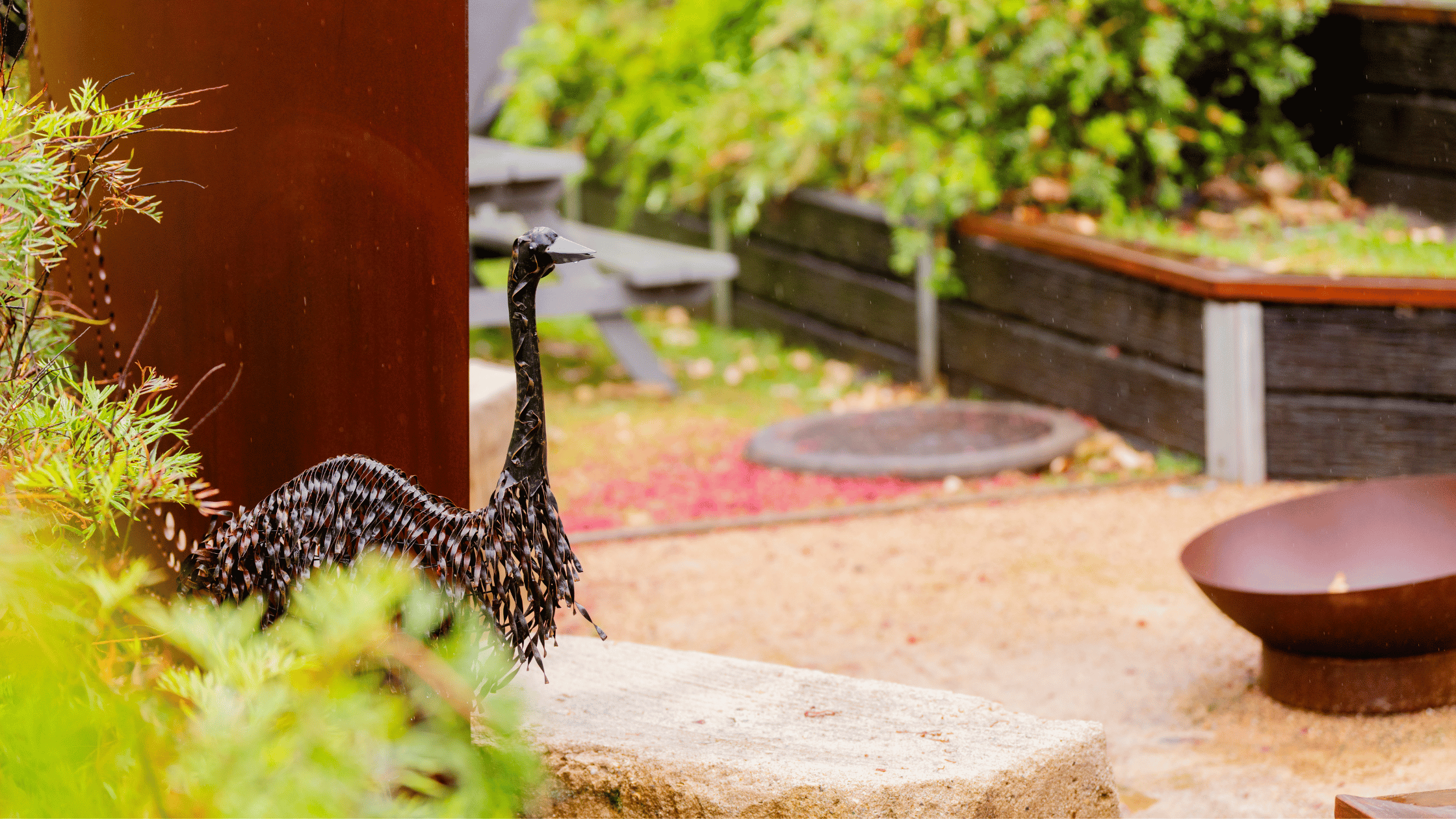
The influence of CNC can be seen across the campus. In the artwork that welcomes visitors at the entrance. In the yarning circle tucked behind the main building. In the countless conversations that have helped colleagues better understand culture, protocol and allyship.
But its greatest impact is less visible.
It’s in the confidence of staff who know they have people beside them. It’s in the feeling that somebody walking through the doors for the first time, uncertain of where they belong, will find their place.
As Jasmine puts it, that’s the real gift of CNC.
“Someone walks through the door and they’re going to feel a sense of belonging and they’re going to feel safe.”