


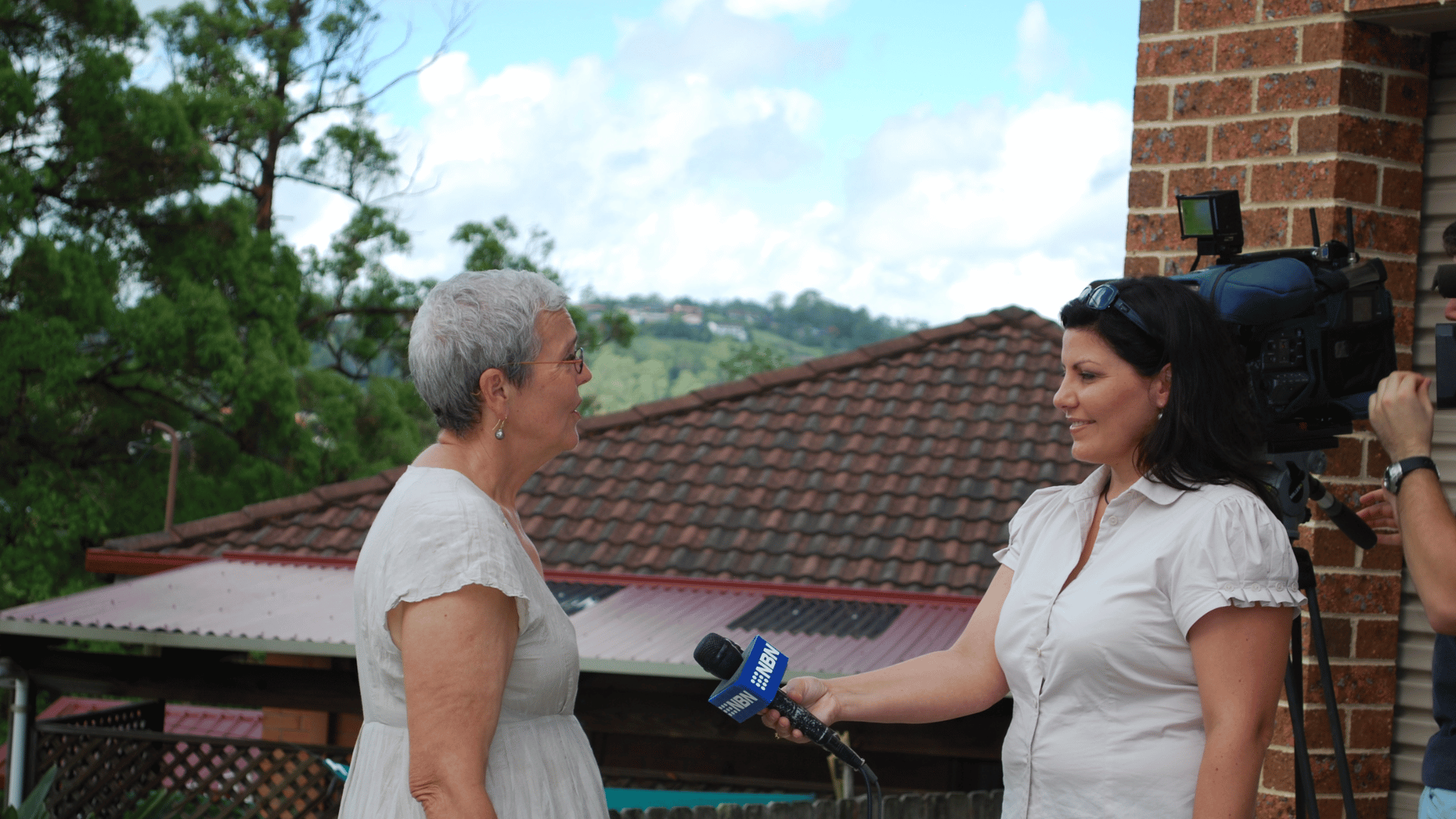
By the time Professor Lesley Barclay arrived at UCRH in 2009, she was already a recognised voice in Australian health. She had worked across universities, health services and national roles, built a reputation as a researcher and leader, and spent much of her career thinking about a deceptively simple question: how do you make health systems work better?
What she found in Lismore was an opportunity to do just that.
UCRH was already established as a destination for rural student placements, but Lesley could see the potential for more. Rural health education, she believed, could not sit apart from the health services and communities it existed to support. Students, research and clinical care all needed to be pulling in the same direction.
“It was the system, not the individual parts, that were the problem,” she reflects. “Getting a system that was multidisciplinary, that worked across disciplines well and respectfully got the best results.”
It was a philosophy shaped by decades working across health and academia. Trained as a midwife, Lesley had long since moved beyond representing any single profession. Her focus was on the whole picture: the relationships between clinicians, educators and researchers, and the way those relationships could improve care.
Under her leadership, UCRH strengthened its connections with local health services, clinicians and universities. Researchers and statisticians worked more closely with health services. Clinicians became active partners in education and research. Students benefited from a learning environment that was deeply connected to real-world practice.
Those links mattered.
Lesley remembers students discovering that rural placements offered opportunities they could never have found in large metropolitan hospitals. They worked alongside experienced clinicians, became part of healthcare teams and gained a deeper understanding of how rural communities functioned. Some arrived unsure about rural practice. Many left wanting to come back.
“They got better experience there than they did anywhere else,” she says.
Looking back, Lesley describes UCRH as the one role that brought together every part of her career. Research, teaching and health service leadership all sat side by side.
“It enabled me to do all those three things at once,” she says. “That was fabulous.”
That way of thinking still feels deeply embedded in UCRH’s work. Students, researchers, clinicians and health services are not separate parts of the story. At their best, they are part of the same system, connected to each other and to the communities they serve. For Lesley, that was always the point.
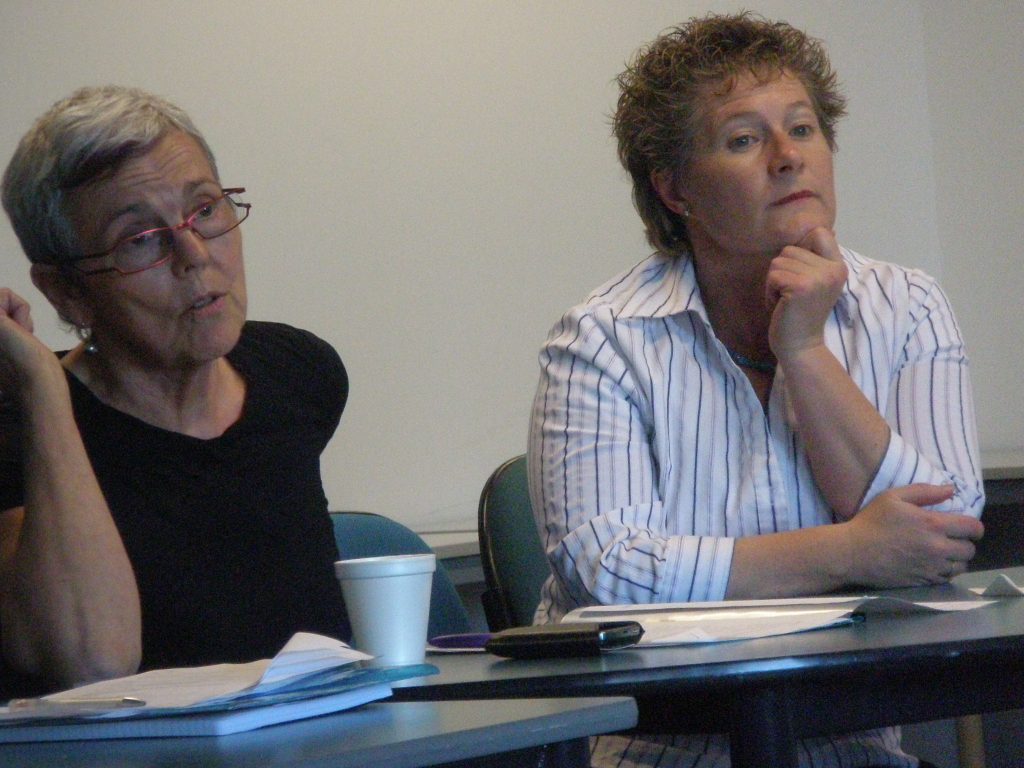
Birth Index workshop (2009)
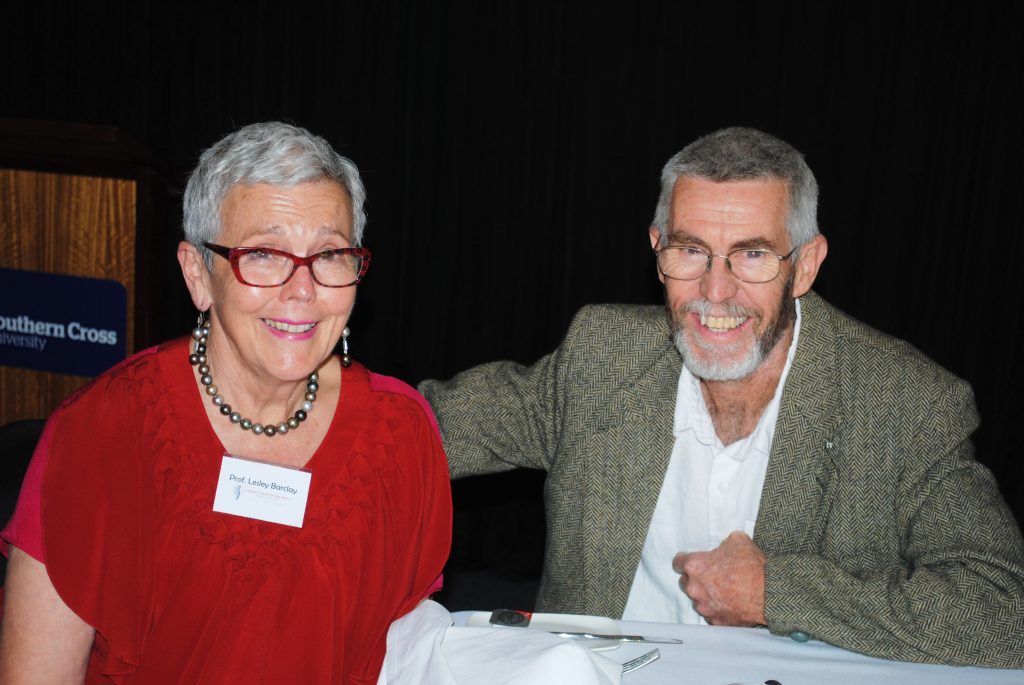
of Education, Dr Michael Douglas, at her UCRH
farewell (January 2016)
