This story starts with a cow.
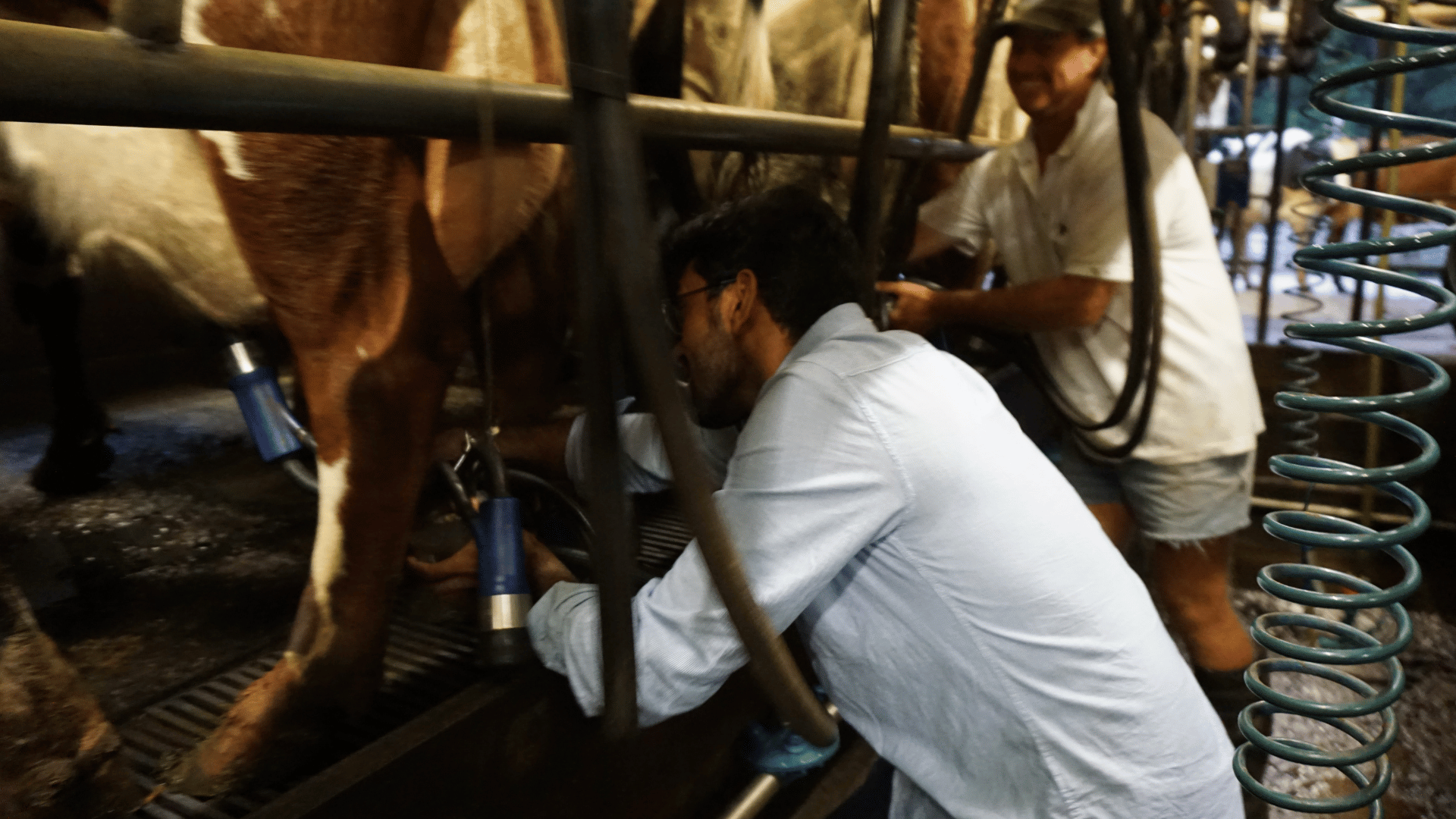
The scene isn’t a lecture theatre or a hospital ward, but a dairy farm somewhere in the Northern Rivers, where a young medical student from Western Australia found himself unexpectedly drafted into the afternoon milking run.
“We expected a tour,” Dr Pepe Mifsud laughs. “He literally got us all to milk cows. We didn’t get to leave.”
It was 2018 and Pepe was visiting the Northern Rivers as part of a rural taster placement. At the time, he had no idea the region would become home.
Today, he is a GP registrar working in Woodburn. He owns a house locally. He plans to raise a family here. And sitting across the table from him is Dr Ann Tosomeen, one of the doctors who helped teach him as a student and now works alongside him as a colleague.
For Ann, it was one of the most rewarding parts of her role as University of Wollongong Regional Academic Lead, based at UCRH.
“It’s such a long-term investment,” she says. “Now I’m working with one of my previous students as a colleague. I think that’s amazing.”
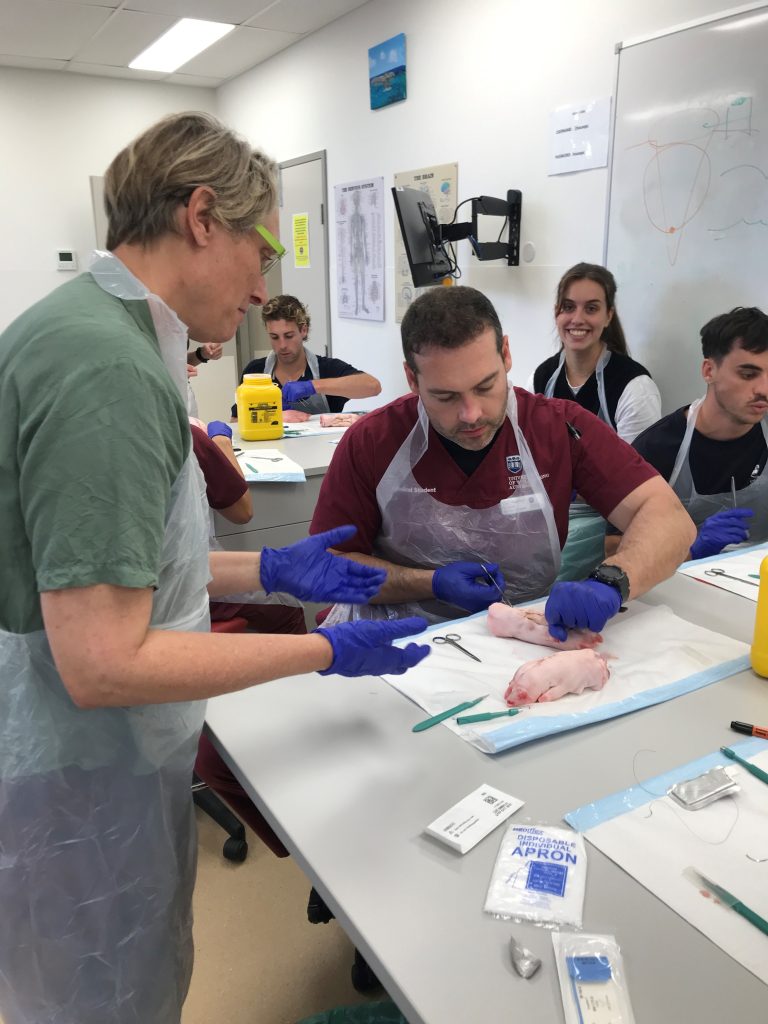
The North Coast Medical Education Collaboration between the Universities of Wollongong, Western Sydney and Sydney has helped create exactly these kinds of stories over the years. Students come north to learn medicine in a rural setting, spending time in GP clinics, hospitals and the community. Some move on. Some stay. All leave with a deeper understanding of rural healthcare.
For Pepe, the difference was clear from the moment he arrived.
“There was a lot more one-on-one teaching,” he says. “People were kind. It’s more of a community feel.”
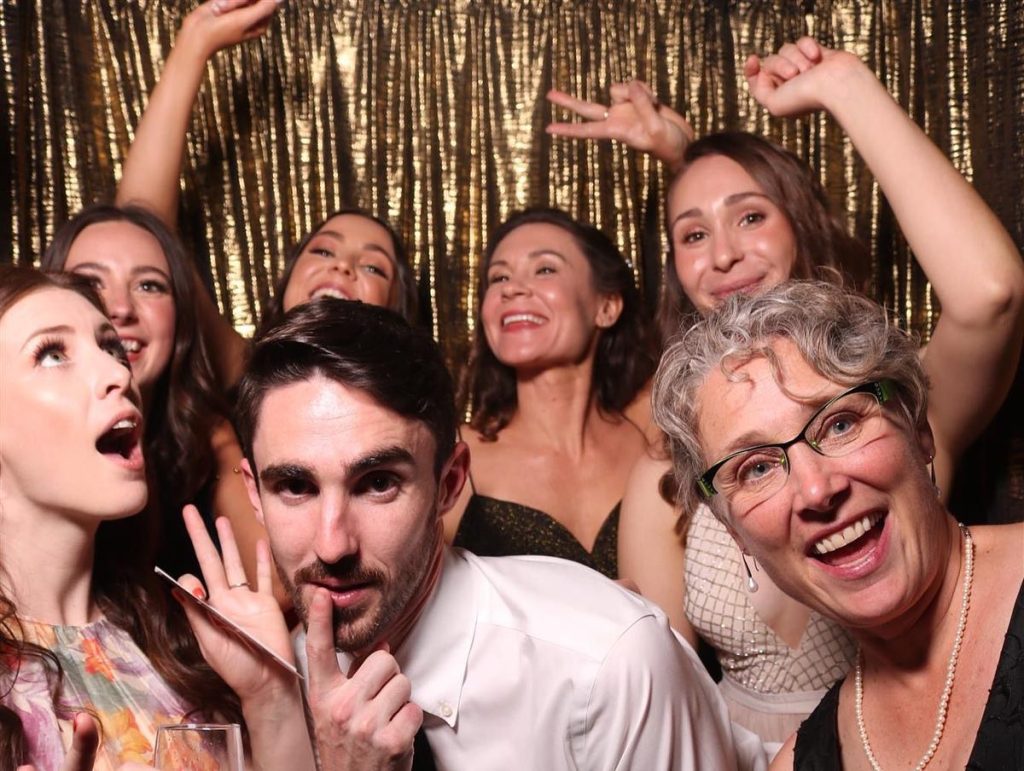
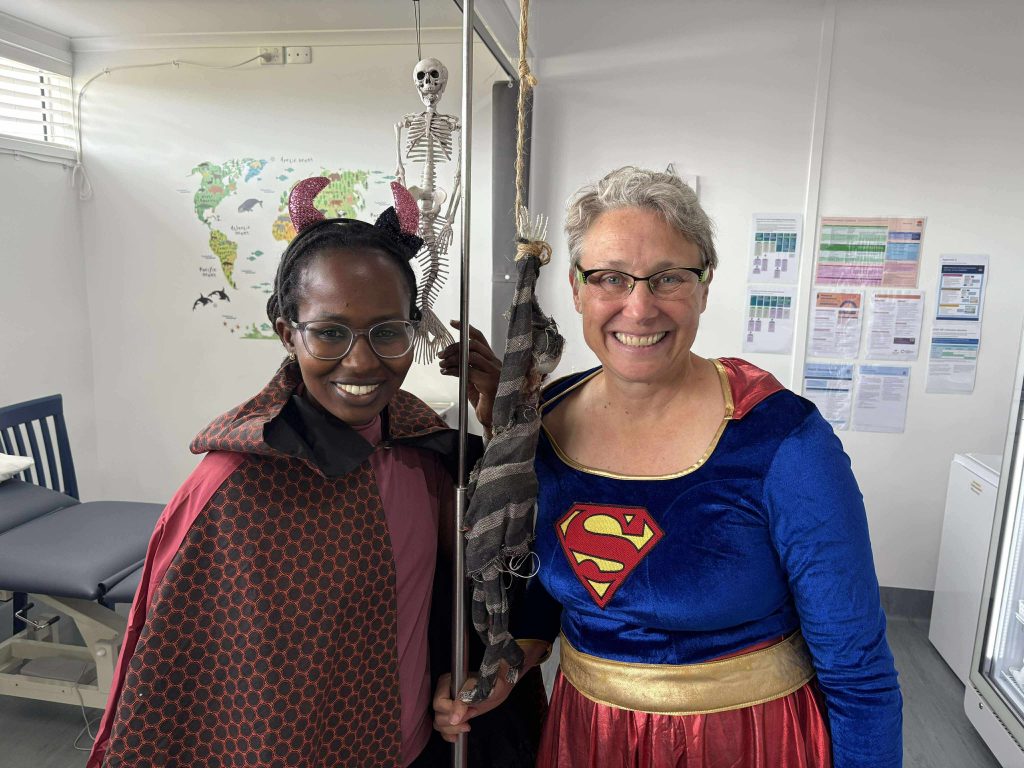
Ann believes that sense of community is what makes the experience special. Students and teachers share meals, celebrate milestones and mark the year together. There are welcome gatherings, Thanksgiving dinners, outdoor adventures and end-of-year celebrations. Somewhere along the way, professional relationships turn into lasting friendships.
“I think we look out for each other’s wellbeing,” Ann says.
That support has ripple effects far beyond graduation.
More students are returning to the Northern Rivers for internships and training. Others build careers elsewhere, taking with them an understanding of what rural communities need.
Not everyone ends up back where they trained.
But sometimes they do.
And every now and then, a former student becomes a trusted colleague, standing beside the doctor who first welcomed them, sharing the work of caring for a community they both came to love.