


For many students on rural clinical placements, UCRH begins in Lismore. But some of the organisation’s most important work happens hours away, in places like Maclean, Casino or Kyogle. Or Grafton.
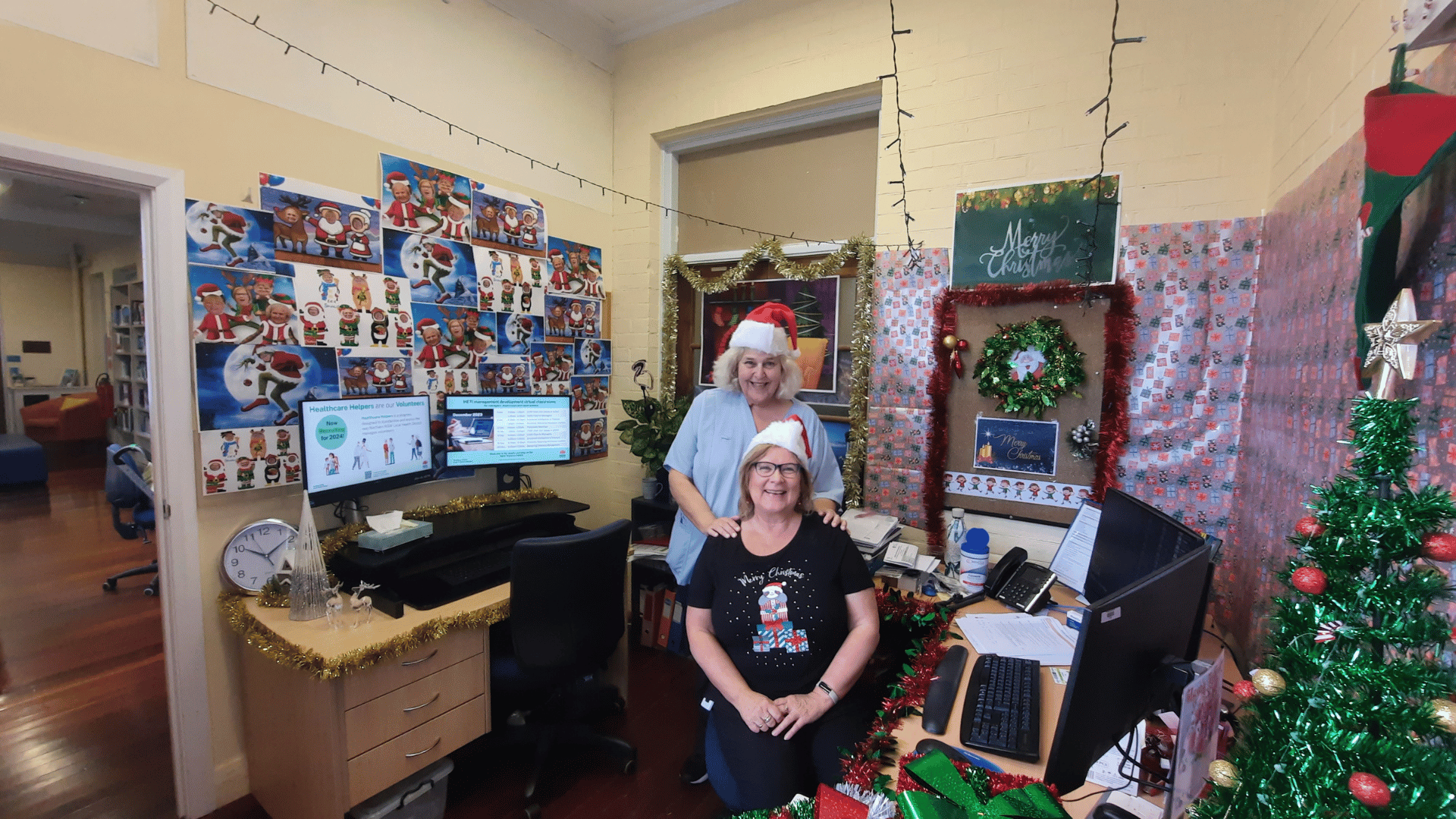
For 25 years, UCRH has never been just one place. Our footprint stretches across the Northern Rivers, reaching into hospitals, clinics and communities throughout the region. In Grafton, that footprint is nurtured by people like Karen Kelly and Joanne Chad.
Between them, they coordinate hundreds of student placements, helping medical, nursing and allied health students find their feet in a part of the world that can feel very different from the cities many have left behind.
Much of the work happens quietly.
There are rosters, orientations, emails, timetables and endless logistics. There are students arriving in town for the first time, unsure where they fit or what to expect. There are phone calls from worried parents and occasional crises that need solving immediately.
Then there are the pizzas.
Karen runs BeConnected, a student wellbeing program that brings different disciplines together outside the hospital setting. It might be a pizza night, a social event or simply checking that a student who signed up has actually come along.
Over the years, plenty of students have even started referring to her as their “placement mum”, a nickname that says plenty about the kind of support they find in Grafton.
“It’s a collaborative group to support students in their placement and their learning journey,” she says.
Those small acts of connection often become the things students remember most.
In Grafton, placements tend to be personal. Students work closely with clinicians, build relationships across the health service and quickly become part of the community around them.
“You cannot fly under the radar here,” Chad laughs. “We know. And we will get a call.”
It is one reason many students thrive.
Away from large metropolitan settings, they are often given greater responsibility, whether at Grafton’s Base Hospital or at a placement site with a local GP. They get more hands-on experience and the chance to follow patients through longer parts of their healthcare journey. Along the way, confidence grows.
The shy student who arrives nervous and homesick starts joining social activities. The student who struggles through their first weeks begins to flourish. Some return later as clinicians, supervisors and mentors themselves.
For Kelly, those moments are the epitome of UCRH.
“We support the health services to grow our own,” she says.
