In the Northern Rivers, disaster is not a distant possibility. It is a lived experience.
Floods shape conversations. Cyclones trigger memories. Communities learn to read weather maps with a mixture of caution and experience.
For the UCRH, those same moments have also shaped a body of knowledge built by listening to communities, learning alongside them, and sharing those lessons far beyond the Northern Rivers.
That journey began after the floods of 2017.
In the immediate aftermath of the disaster, UCRH researchers found themselves confronting questions that extended well beyond damaged roads and flooded homes. What happens to people’s health and wellbeing after the cameras leave? How do local services cope? What helps communities recover, and what gets in the way?
Under the leadership of Professor Ross Bailie, UCRH focused on understanding those longer-term impacts. The work was never about studying a disaster from a distance. It was about responding to the realities unfolding in the communities around them and finding ways to turn those experiences into practical knowledge that could make a difference.
What followed was a growing body of work shaped by many hands.
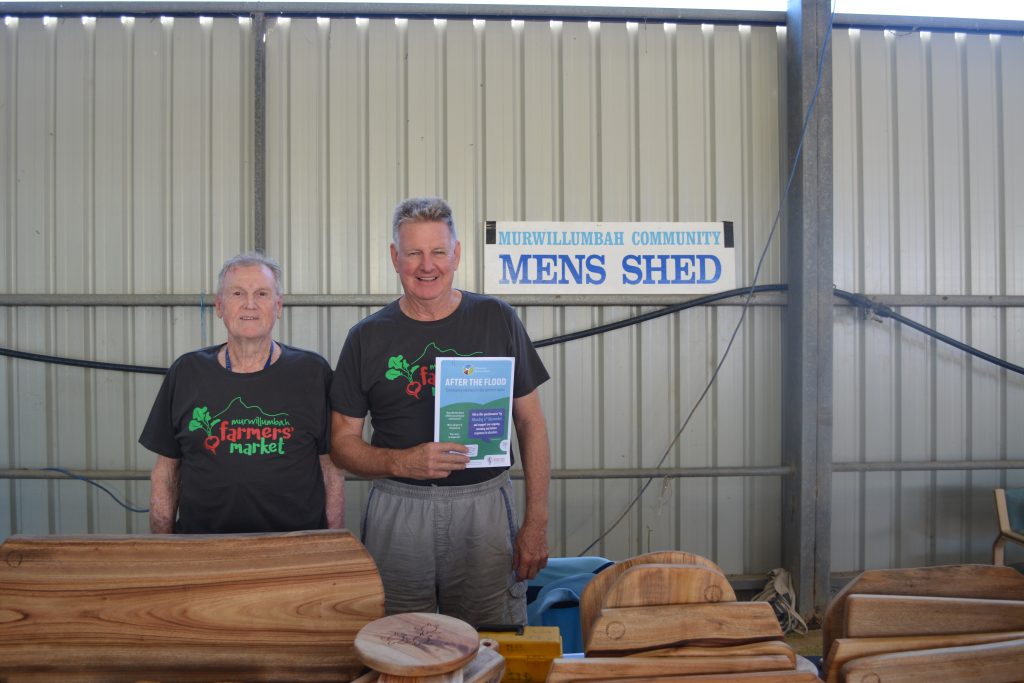
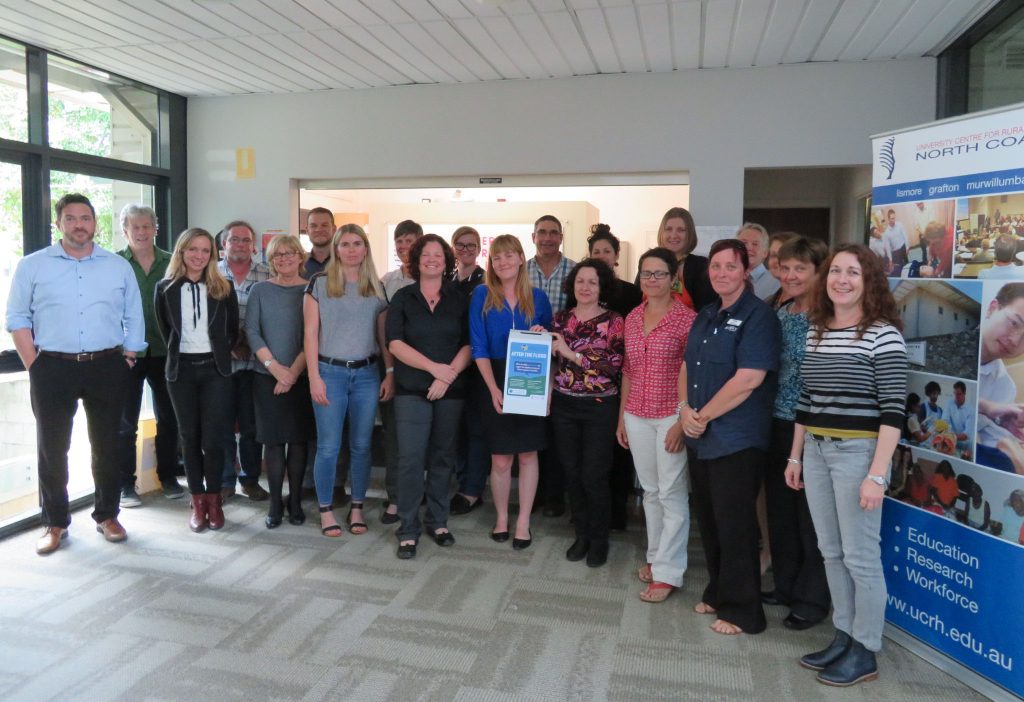
Researchers including Ross, Professor Megan Passey, Associate Professor Veronica Matthews, Professor James Bennett-Levy, Dr Jo Longman and Dr Jodie Bailie worked alongside health services, community organisations, local leaders and residents to better understand recovery, resilience and wellbeing. Their work explored issues ranging from mental health and community recovery to health system impacts, vulnerability and preparedness.
Then came 2022.
The floods that swept through the Northern Rivers were the worst on record, leaving an indelible mark on the region and creating one of the costliest disasters in Australian history. What had been an important area of research suddenly became even more urgent.
New partnerships emerged. New questions were considered.
Researchers such as Rebecca McNaught and Emma Pittaway joined colleagues across UCRH and the wider community to examine what communities were experiencing on the ground. Together with grassroots groups, recovery organisations, government agencies and local residents, they explored everything from women’s leadership in recovery and community resilience networks to the invisible work that helps people rebuild their lives.
When Cyclone Alfred threatened the region in 2025, many of those same researchers were again called upon to share their knowledge and experience.
Yet the work has never been about becoming experts for the sake of it.
The Northern Rivers did not choose to become a place defined by disasters. But the experiences, relationships and lessons forged here have created knowledge that is increasingly relevant elsewhere. Communities across Australia are grappling with floods, fires, storms and other climate-related challenges. What is learned in one place can help another.
That has become one of UCRH’s most important contributions.
Not standing apart from communities, but working alongside them. Listening carefully. Learning together. Sharing what works.
The necessary expertise was never really about disasters.
It was about people, and making sure that what communities learn through hardship can help others facing the same road ahead.