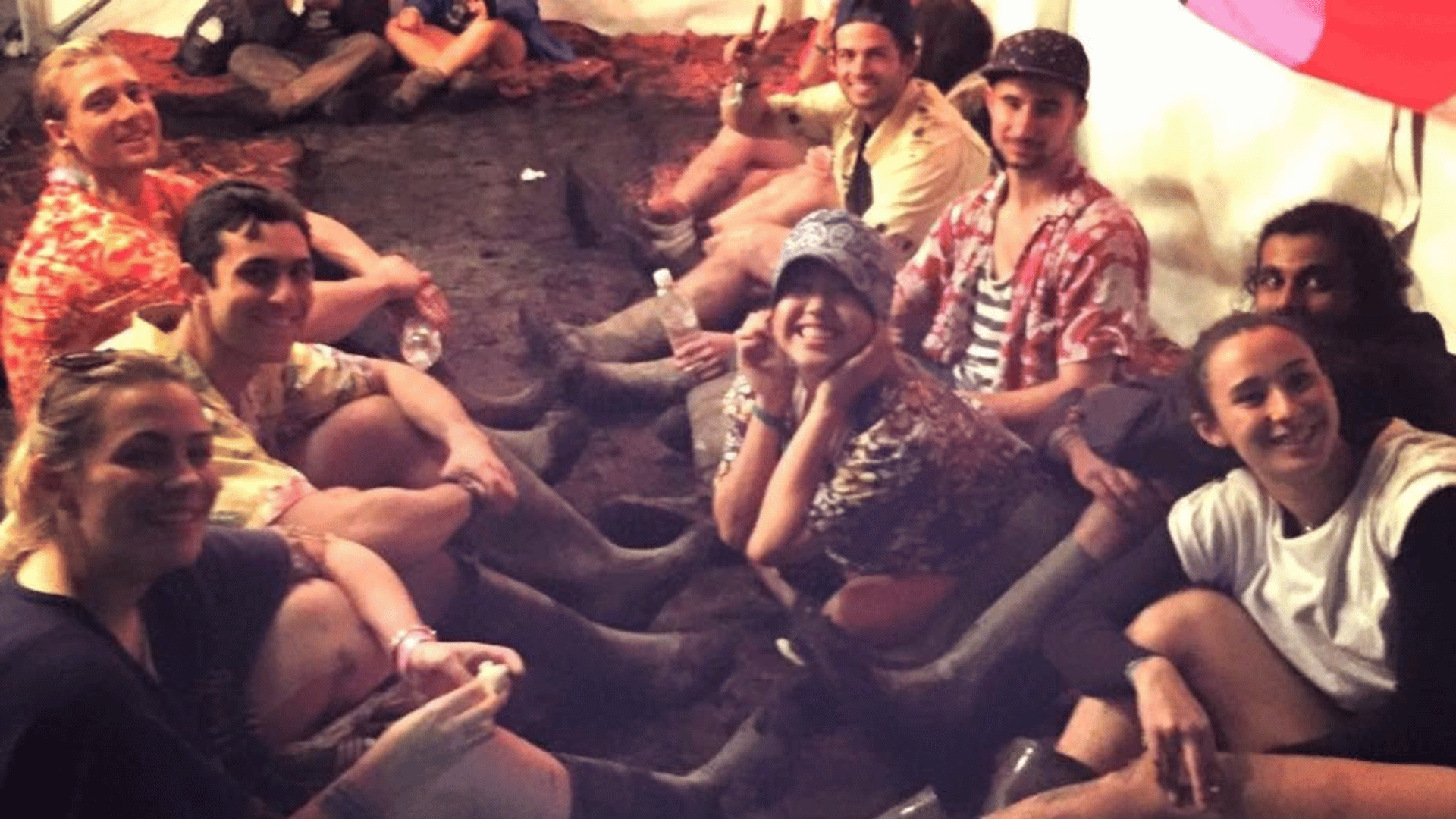
At UCRH, research has never been confined to the office. At least once, it started in a muddy paddock at Splendour in the Grass.
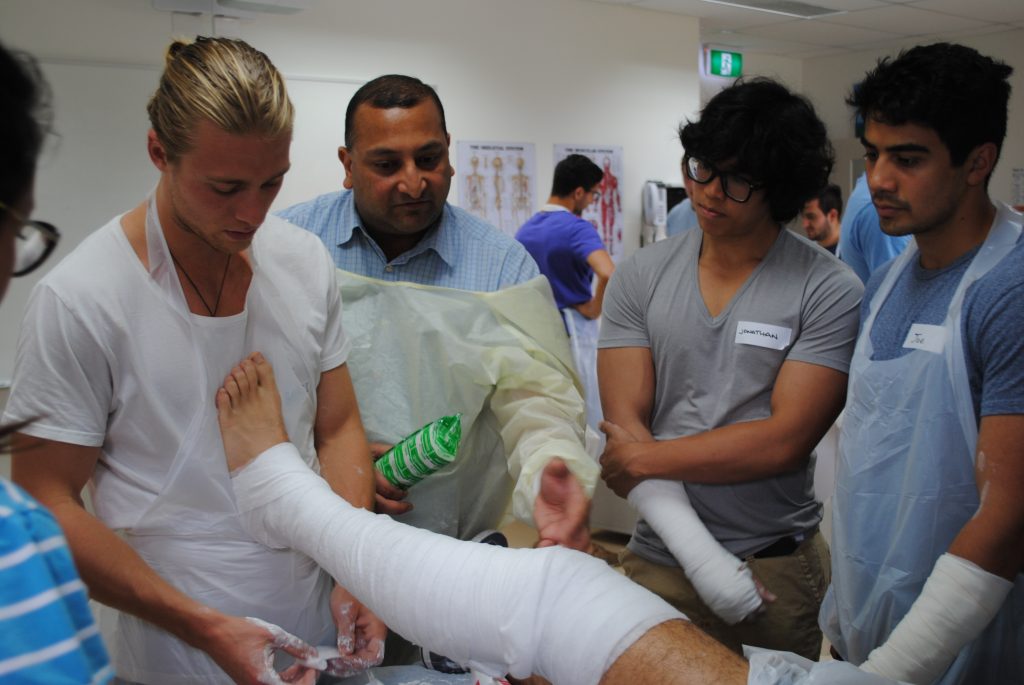
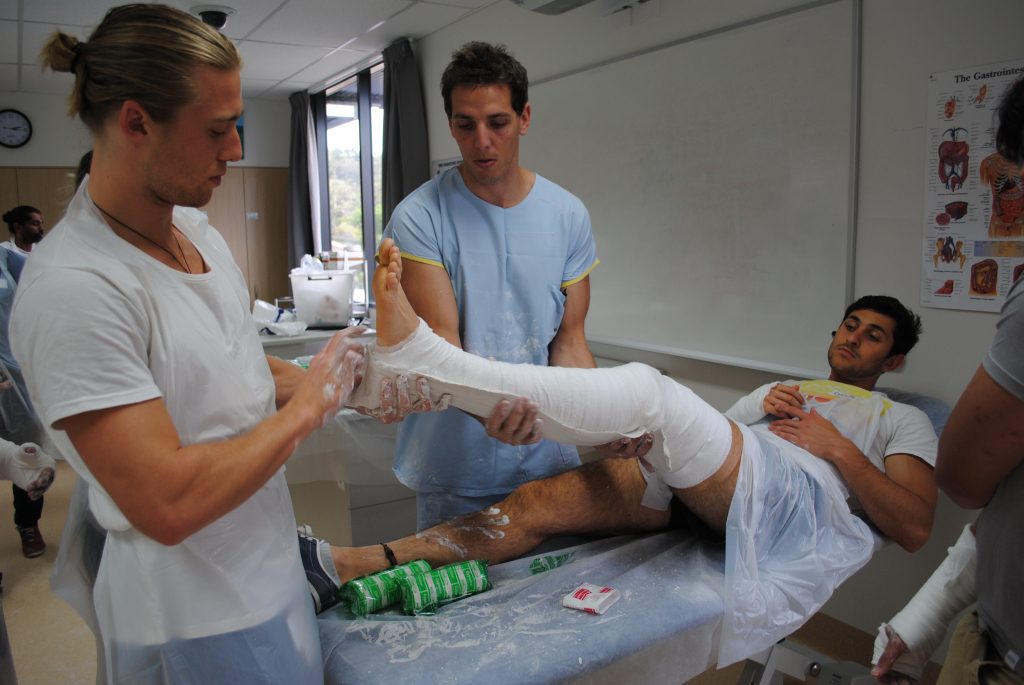
In 2015, a group of Western Sydney University medical students arrived in Lismore for their year-long rural placement. They had put their hands up for the regional experience after hearing good things from students before them. They expected hospitals, teaching sessions, new clinical skills and a closer look at life and work in the Northern Rivers.
What they probably did not expect was to find themselves at one of Australia’s best known music festivals, running a public health study from a tent, asking young people about their use of condoms.
The project was offered up by the Local Health District’s Franklin John-Leader and UCRH educator Dr Sabrina Pit, who saw a chance to learn more about young people’s confidence and know-how around an important health issue. The students said yes immediately.
Or, as Benjamin Pfister remembers it: “Hell yeah, sounds great.”
There were five students in the research group: Karina Hall, Daniel Youlden, Daniel Brieger, Sukhita De Silva and Benjamin Pfister. Karina, he says, “spearheaded the project”.
Their fieldwork came with a few unusual festival perks. They were driven in by buggy with their gear, set up alongside a health promotion tent, then camped with everyone else. Each morning, they got to work, catching festival-goers on their way between the campgrounds and the music.
They kept going until about two or three in the afternoon, when, as Benji puts it, the research might have become “a bit sketchy” as the day wore on.
The festival crowd seemed to love it.
For Benji, that was one of the lasting lessons: research did not have to be dry or distant. The right question, asked in the right place would get people genuinely interested.
The study went on to be published and the team later won a national medical award. For Benji, it became one of those odd, useful conversation starters that still sits proudly on his CV.
More importantly, it helped show what rural placements could make possible. The students were supported closely by local mentors, trusted with meaningful work, and given an opportunity they were unlikely to have found in a metro placement.
Years later, Benji says the project helped spark a lasting interest in research. He has since co-authored several published papers, including work completed during later stints in Lismore.
The festival itself left a mark too. Between survey sessions, the students managed to catch sets from acts including Hilltop Hoods, Flight Facilities and Death Cab for Cutie to name a few. These days, Benji can offer both research advice and surprisingly solid music festival recommendations, which is not a combination many medical professionals can claim.
Looking back, the project feels uniquely Northern Rivers. While some music festivals have been a casualty of rising costs and changing times, they are part of the region’s identity. So perhaps it was fitting that a group of medical students, a local public health team and a muddy paddock full of music lovers came together to answer a question that mattered.
Along the way, they produced award-winning research, sparked future research careers, and picked up a few excellent band recommendations for good measure. Not a bad outcome for a weekend at Splendour in the Mud.