Some leaders leave behind buildings. Others leave behind programs, policies or research papers.
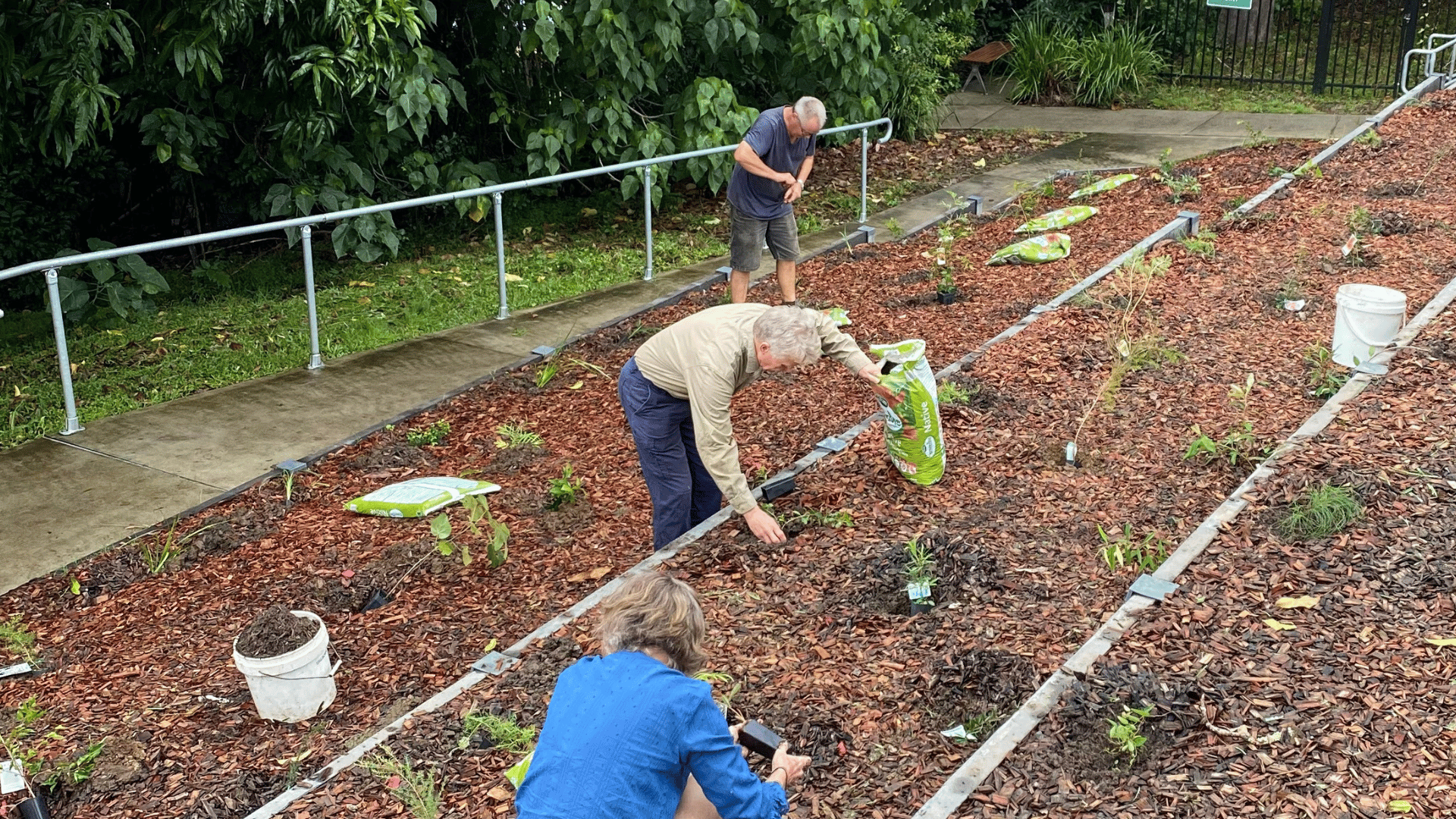
When staff gathered for a working bee to plant out the native garden behind University House, Professor Ross Bailie was right there, shovel in hand ready to leave his mark on the landscape.
It feels like a fitting image of UCRH’s third director.
Ross has never been the loudest person in the room. He isn’t one for grand declarations or personal fanfare. His years at UCRH were marked by something quieter: creating the conditions for things to grow.
When he arrived in Lismore in 2016, he was looking for a new challenge after almost two decades working in research. What attracted him was the unusual combination that sat at the heart of UCRH.
“I guess one of the things that attracted me to working here was the combination of rural education and research,” he said.
“It was a unique opportunity for academics, but it’s also a unique opportunity for a community to have that resource in the region.”
That idea, that rural communities deserve access to the same academic expertise and opportunities as anywhere else, became a defining thread of his time as director.
Under Ross’s leadership, Aboriginal health research grew significantly. Building on existing work of his predecessors and current researchers and supporting emerging leaders such as Associate Professors Emma Walke and Veronica Matthews, he helped create an environment where new ideas, collaborations and programs could take root. It has gone on to become one of UCRH’s most enduring strengths.
He also became a passionate advocate for a bigger vision of rural health within the University of Sydney itself.
Ross saw the University’s rural schools not simply as regional outposts, but as a collective opportunity to tackle rural disadvantage, strengthen health education and generate research grounded in local communities. He later played a key role in developing the University’s rural health strategy, an effort to encourage a more coordinated and ambitious approach to rural health across the institution.
Along the way there were challenges, including major floods that tested both the region and the organisation. Characteristically, Ross’s response was practical rather than dramatic. He focused on understanding what communities needed and how UCRH could contribute, helping lay foundations for research that continues to inform disaster recovery work today.
Looking back, Ross remains optimistic about what comes next.
“I think it’s still a great resource. It’s a great community resource,” he said.
For Ross, UCRH’s story is still one of steady work and long-term value. The native garden behind University House remains a useful reminder of his approach: practical, patient and focused on creating the right conditions for good work to continue.
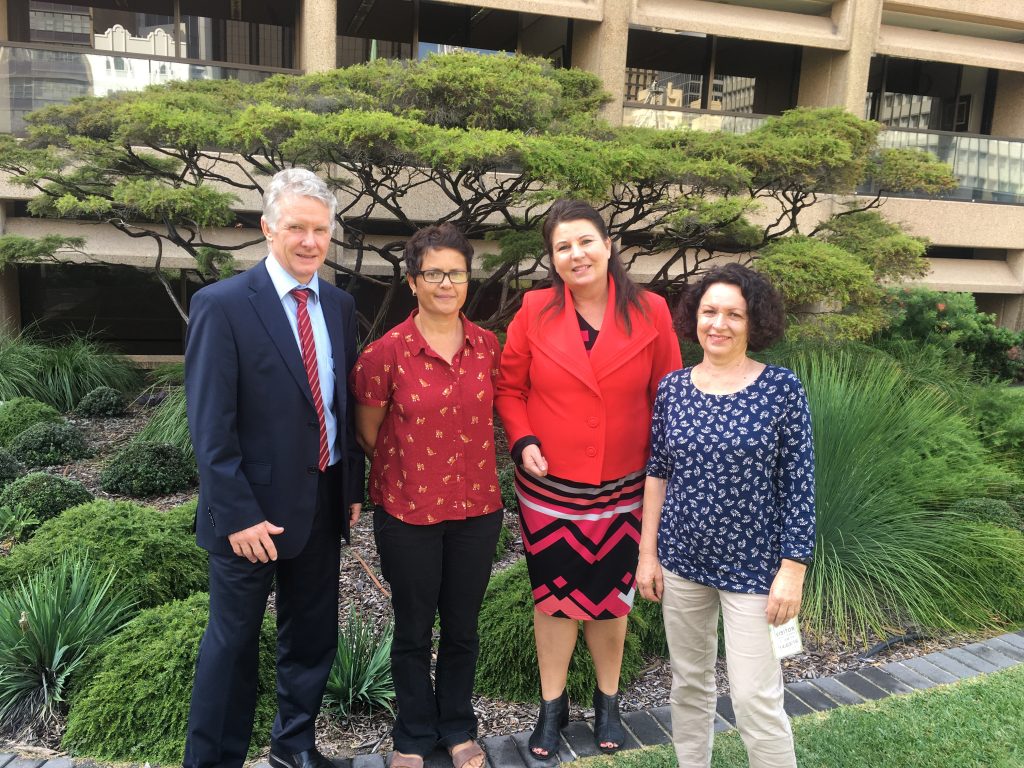
study to NSW State parliamentarians (2017)
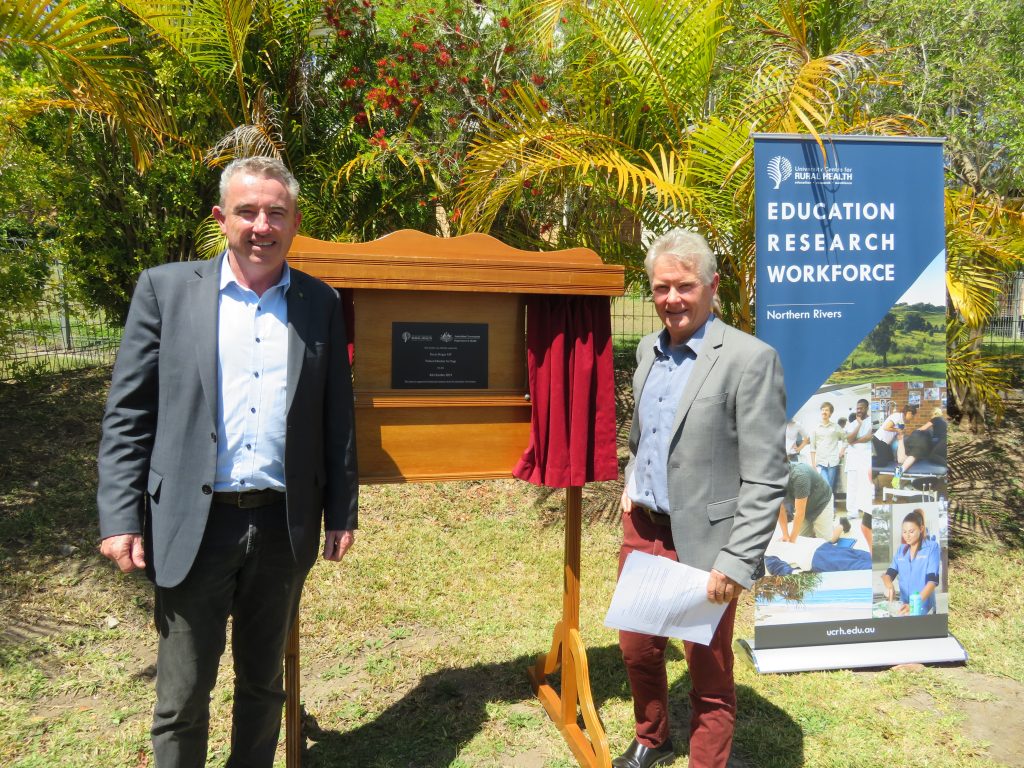
local MP, the Hon Kevin Hogan MP (2019)