When Professor Megan Passey talks about UCRH’s body of research, she doesn’t start with publications or funding. Instead, she talks about people, or more often, about their questions.
A midwife wondering why so many Aboriginal women were smoking during pregnancy. A health service trying to understand chronic disease admissions. A community reeling after a flood and asking what comes next. Someone had a question, and UCRH listened.
That, according to Megan – who has only recently retired from her role – has been one of the defining features of UCRH’s contribution to rural health research.
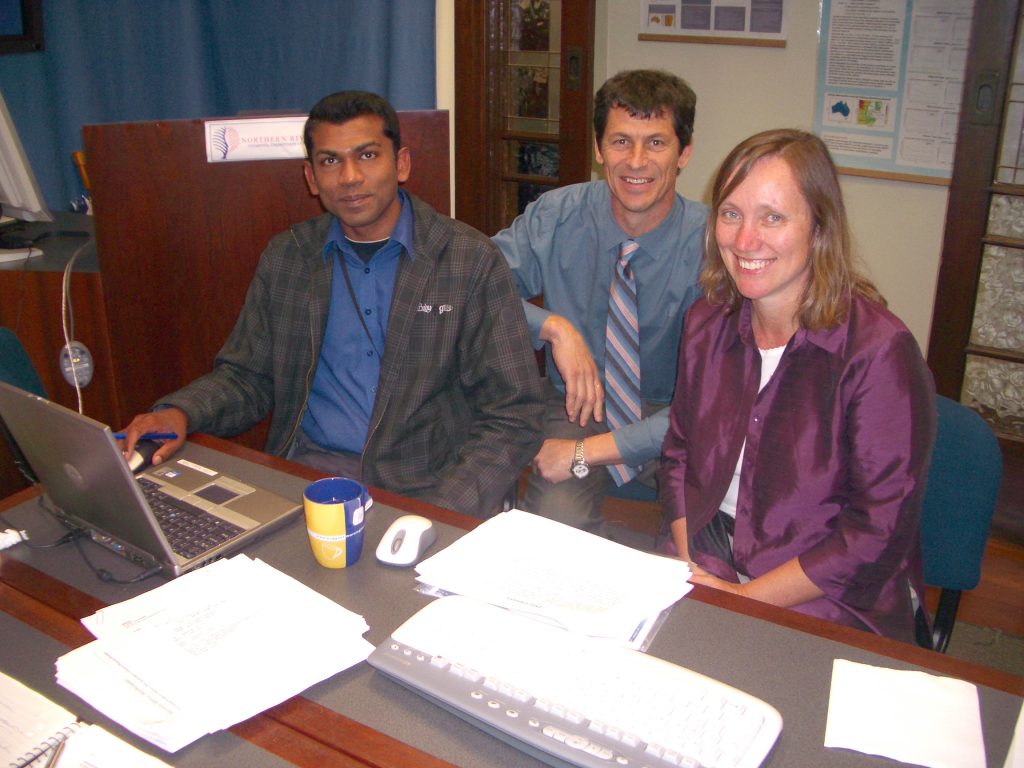
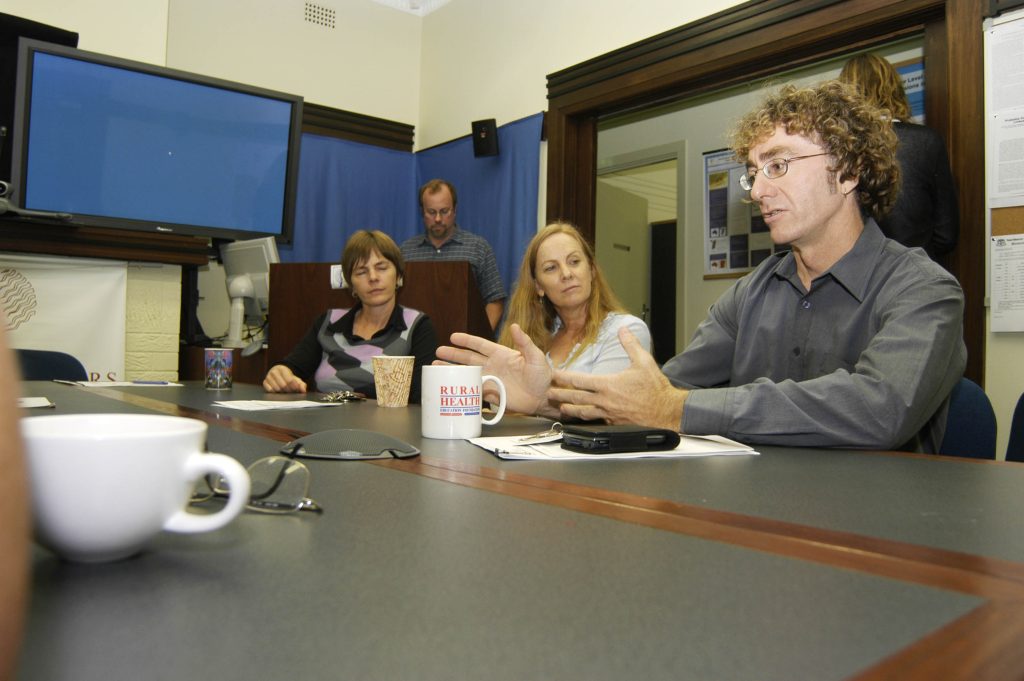
When she first became involved with the organisation in 2003, UCRH was still in its infancy. There were only a handful of staff, no established research program and limited funding. What existed, however, was a strong connection to local health services and a willingness to tackle real-world problems.
Over time, that approach became part of UCRH’s identity.
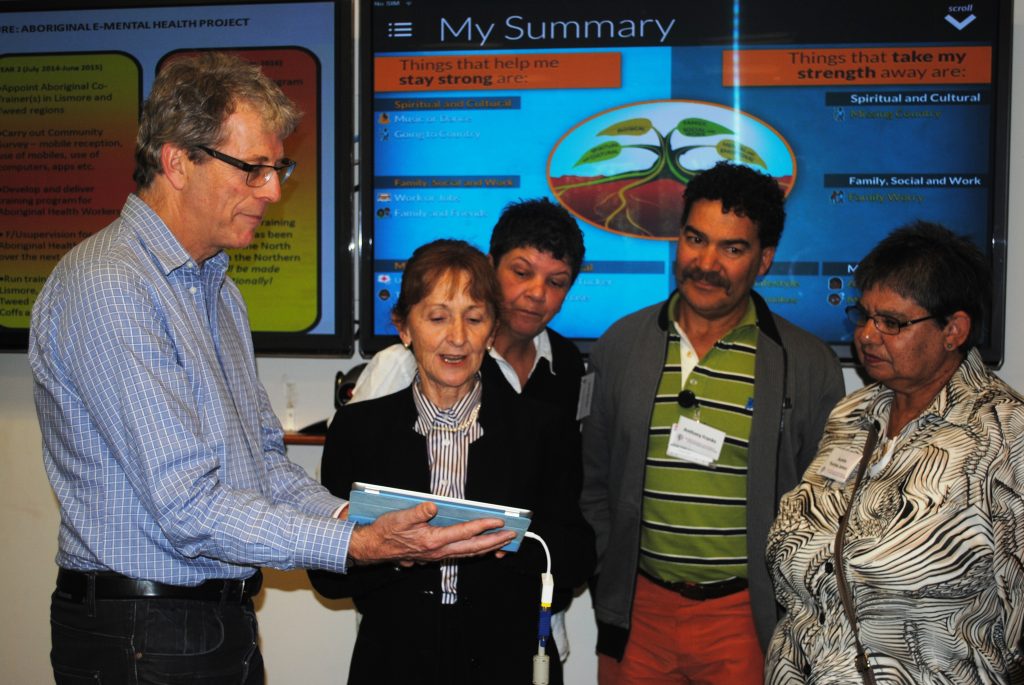
One of Megan’s earliest major projects grew from a simple request by local Aboriginal health workers seeking help to address high smoking rates among pregnant women. That question led to years of collaboration, new evidence, community partnerships and practical programs designed to improve outcomes for women and babies.
Other projects followed a similar pattern.
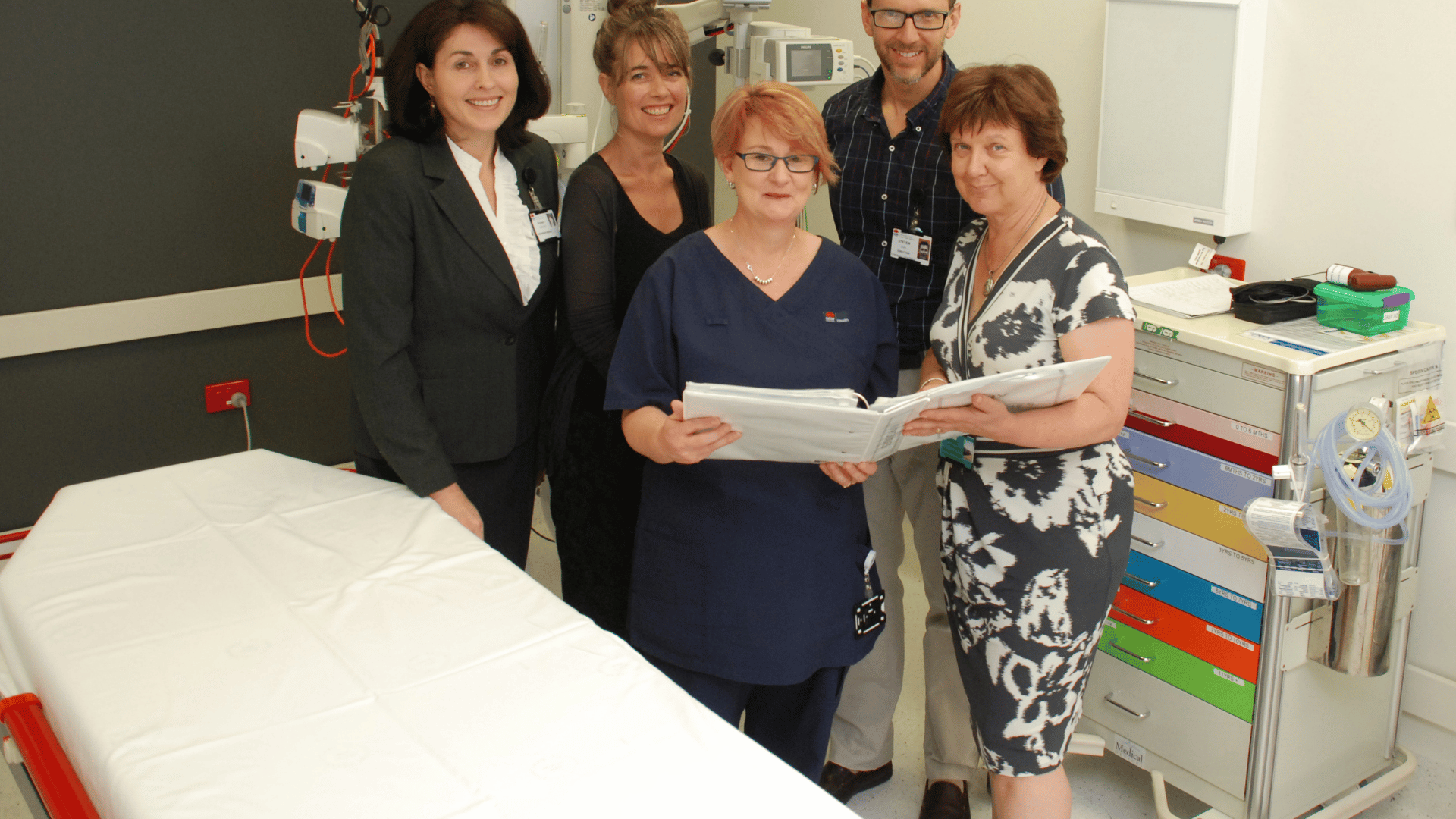
Research into chronic disease emerged from concerns raised by health services. Disaster research grew from conversations held in the aftermath of the 2022 floods, when staff gathered to consider how they could help a region in crisis. Aboriginal health research expanded through partnerships and leadership that brought new expertise and new voices to the organisation.
If there is a common thread, Megan says, it is partnership.
“The research we do here at UCRH is almost always in partnership with either local services or local community,” she reflected. Those relationships, built patiently over many years, have helped transform local questions into research with state and national impact.
Today, UCRH is recognised for its strength in rural health research, but that reputation was not built in isolation. It was built in meetings with clinicians, conversations with communities, and countless moments when somebody said, “We need help understanding this.”
Twenty-five years on, the questions have changed. The curiosity, collaboration and commitment to local communities have not.
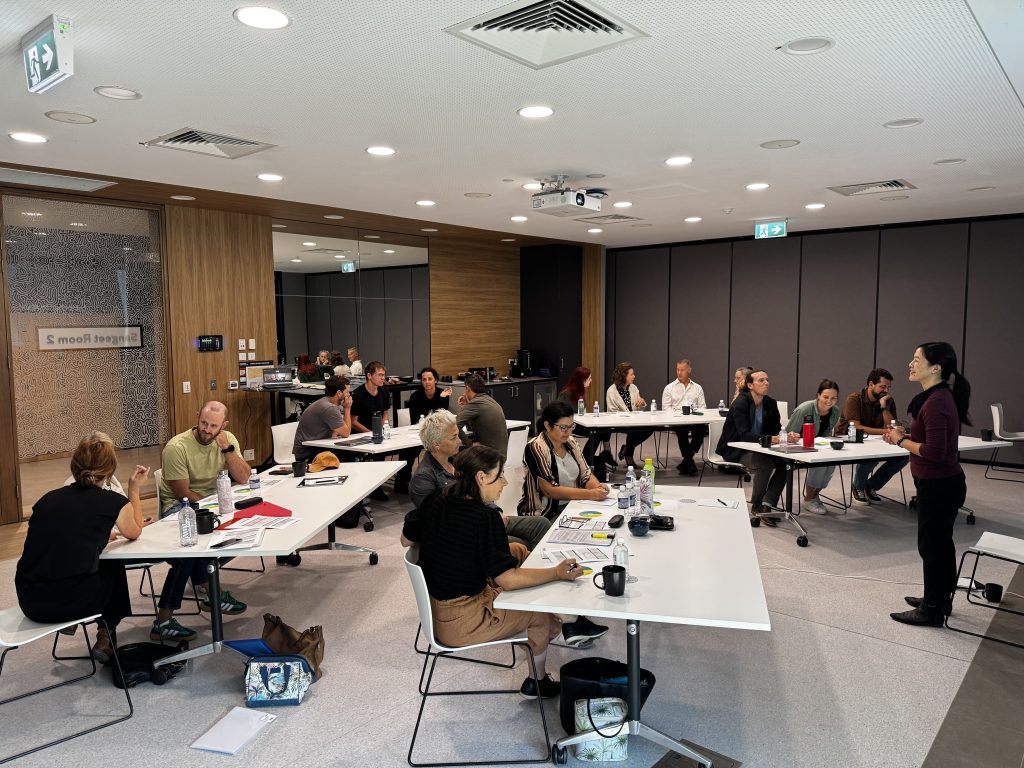
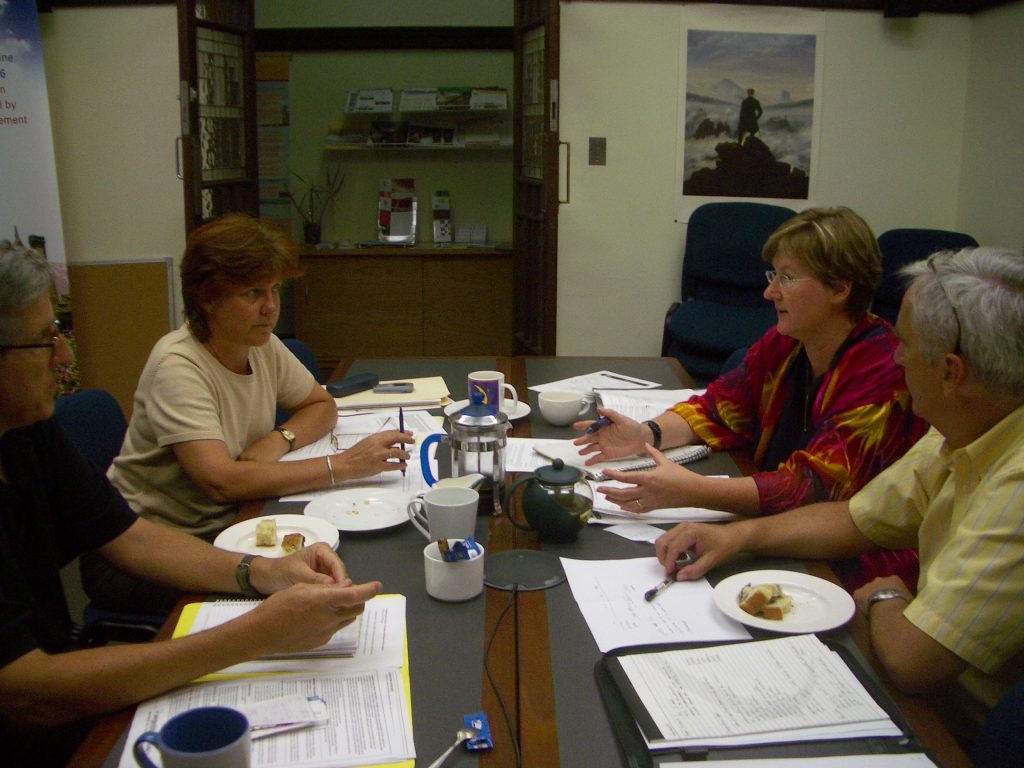
(2003)