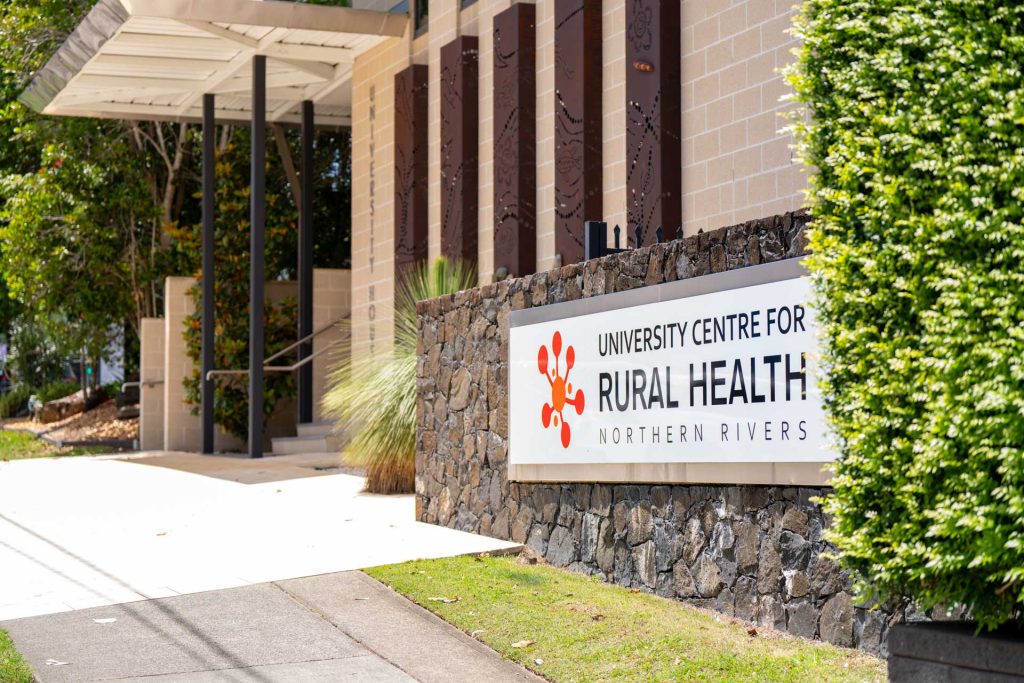
For almost 20 years, a framed certificate has hung in the foyer of University House.
Staff and students pass it every day. Visitors may notice it briefly before moving on.
It is a commendation from the NSW Division of the Royal Australian Institute of Architects, recognising outstanding architectural work in 2007.
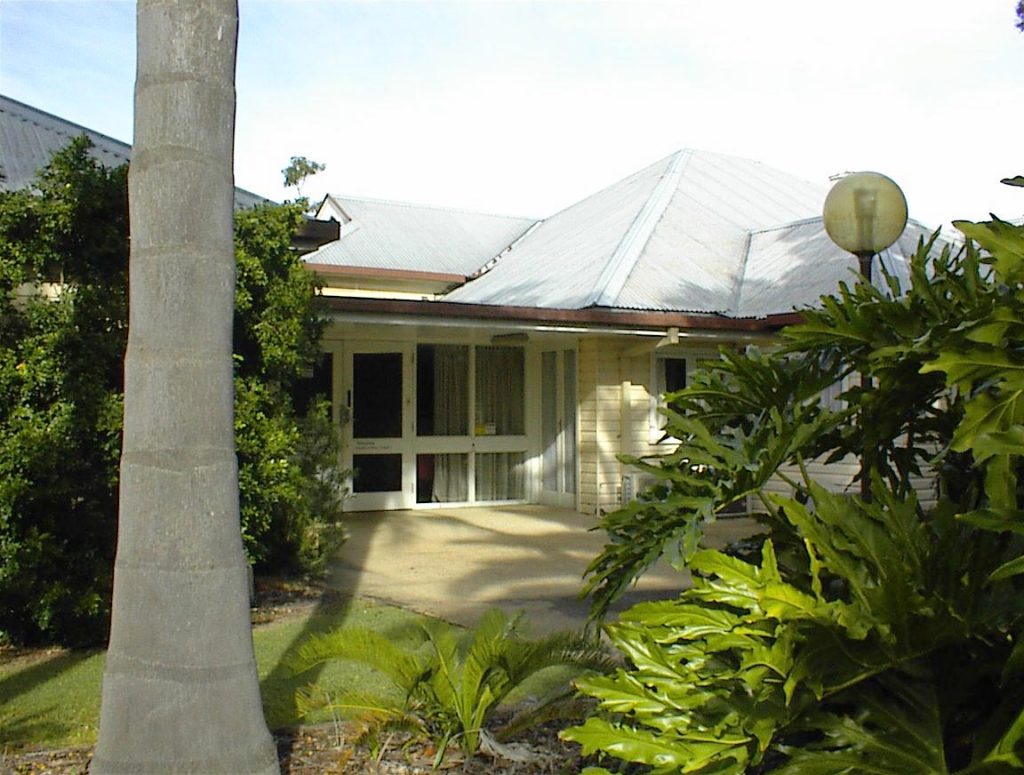
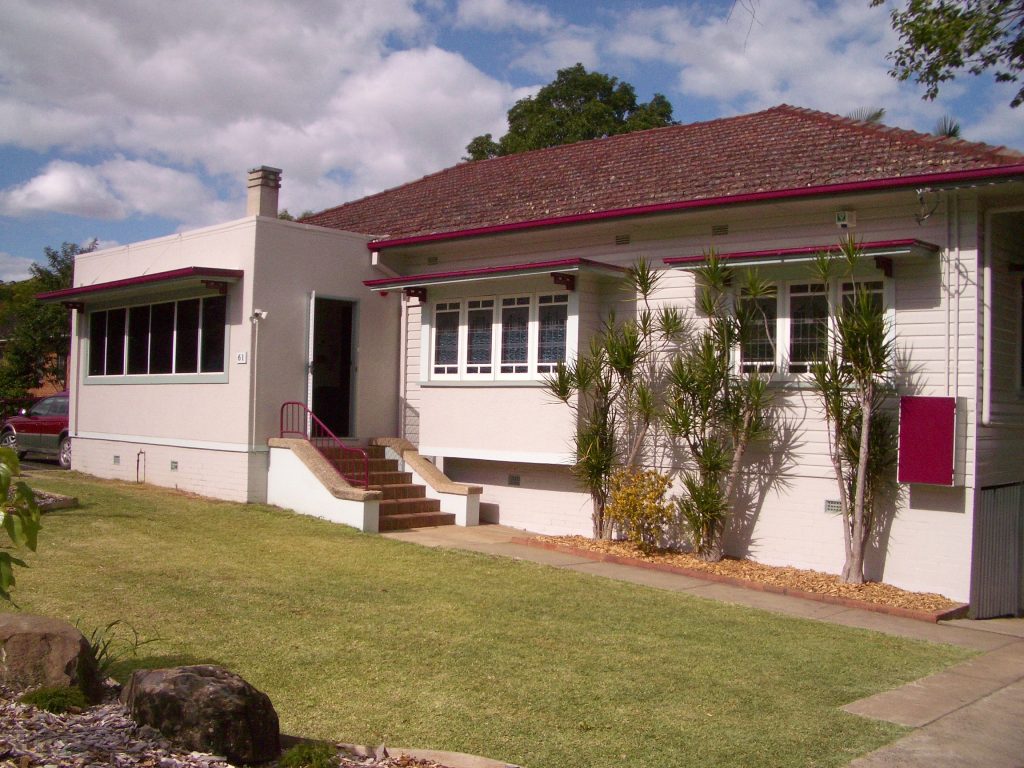
When architect Dayne Mearns visited UCRH in Lismore recently, he brought a USB stick full of old photographs: the building as it first opened, with fresh paint, bare gardens, young trees and wide open spaces where decades of growth were still to come.
He also brought back the thinking behind the design that earned the building its architectural recognition.
At first, Dayne noticed the practical details: how rainwater moved off the roof, the condition of the timber deck, and changes to signage and interiors.
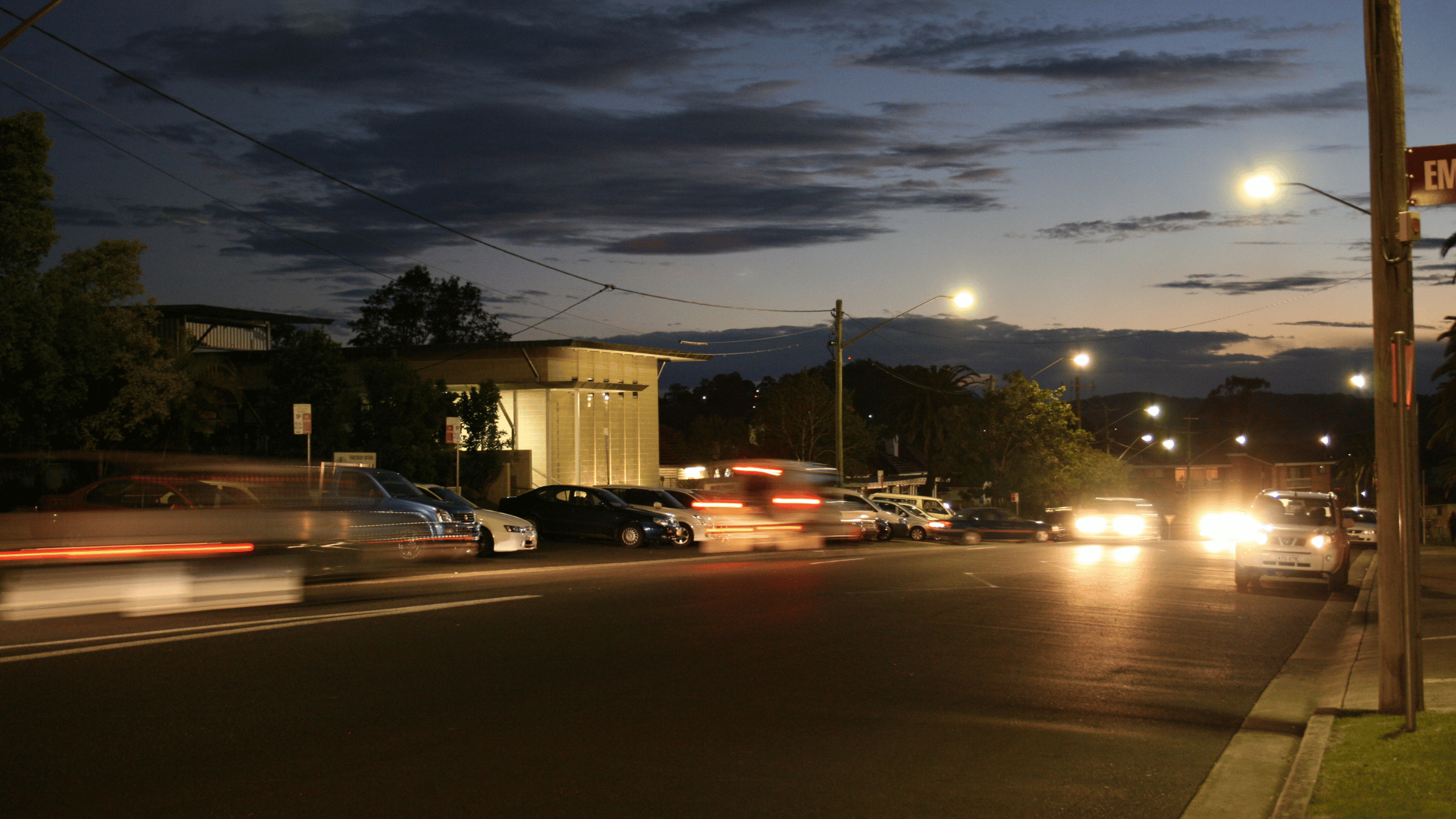
He talked about designing a single-storey building that could sit confidently across from the hospital, on a sloping site, and feel like part of a growing health precinct. The vertical lines were deliberate, giving the building greater presence and helping it “start talking” to what was expected to come next.
As the visit continued, the design became less about individual features and more about how the building had been used.
The flame tree still stood where it had helped shape the original design. Its flower remains part of UCRH’s visual identity.
The deck overlooking the gardens, which Dayne pushed for after seeing the potential of the site, had become part of the way people move through and use the building.
Even a bird’s nest opportunistically tucked into the building had become a small annual marker for staff.
Most importantly, the building showed the marks of scores of people using the space as intended: students gathering between sessions, researchers working downstairs, and staff moving between offices, teaching spaces and gardens that barely existed when the building was new.
The award-winning design mattered. But Dayne’s visit showed that the distinction was not the plaque on the wall, it was creating a place that could grow with UCRH and that matched the vision of founding director John Beard.
The students, staff and researchers who have passed through University House since have given the building its meaning. The fresh paint and bare gardens in Dayne’s old photographs have slowly given way to something richer: a place worn in by daily use, shaped by movement, conversation, teaching, research and time.
The award recognised good architecture. But Dayne’s visit was a reminder that the real achievement was not only the design, or the plaque still hanging in the foyer. It was creating a building that could hold an ambitious idea and then quietly become part of the life around it.