


Two UCRH researchers have received significant recognition for work that is helping shape the future of rural health research and Aboriginal health outcomes.
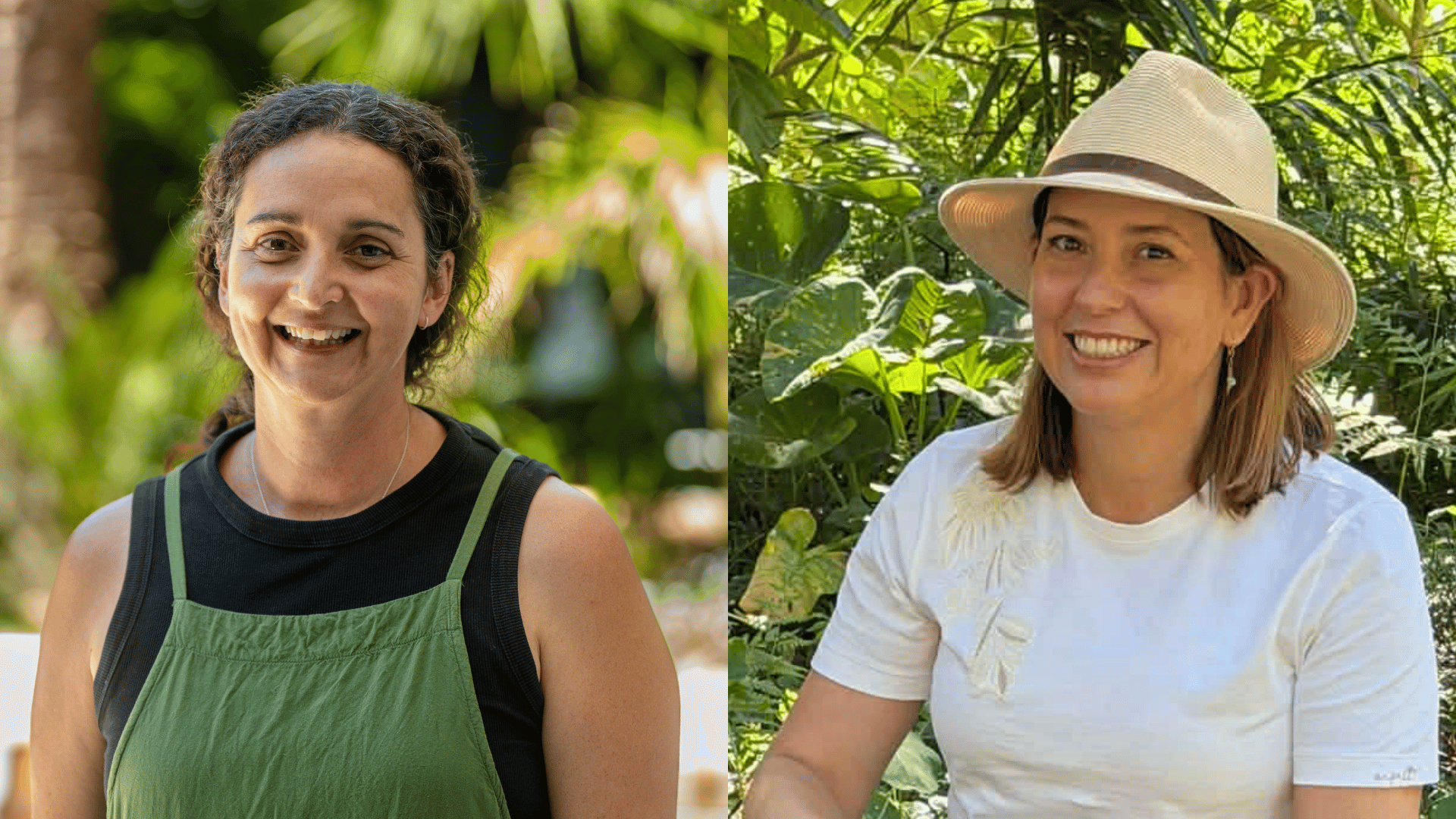
Dr Cas Sedran-Price (pictured right) has been recognised at the 2026 NSW Young Tall Poppy Awards, where she was a finalist in the Industry & First Nations Awards category. She also previously received the Australian Academy of Science’s 2026 Aboriginal and Torres Strait Islander Scientist Award for her community-led seed banking and climate resilience research.
A Senior Researcher with the UCRH and the University of Sydney School of Health Sciences, Cas is working with Bundjalung Tribal Society at Namabunda Farm in Alstonville to develop an on-Country seed bank. Her research brings together Indigenous knowledge and contemporary science to safeguard biodiversity, strengthen community wellbeing and create new opportunities in bush foods, education and environmental healing. Her work also includes projects focused on Indigenous data rights within research and decision-making contexts.
PhD candidate and physiotherapist Jane Linton (pictured left) has also been recognised, receiving a 2026 Ian O’Rourke Scholarship. The scholarship supports Aboriginal and Torres Strait Islander health professionals to advance patient safety and culturally safe care across NSW Health.
A Gumbaynggirr woman who lives and works on Country in Northern NSW, Jane combines clinical practice with doctoral research through the University of Sydney at UCRH. Her work focuses on strengthening musculoskeletal healthcare for Aboriginal and Torres Strait Islander peoples and improving experiences of care. She is a key member of the UCRH team focused on chronic pain.
The awards highlight the breadth of research and leadership emerging from UCRH, particularly in areas that address health equity, cultural safety and community-led solutions.
From climate resilience and environmental stewardship to improving healthcare experiences for Aboriginal and Torres Strait Islander communities, both researchers are making valuable contributions that extend well beyond the Northern Rivers and into national conversations about health, wellbeing and community impact.
