


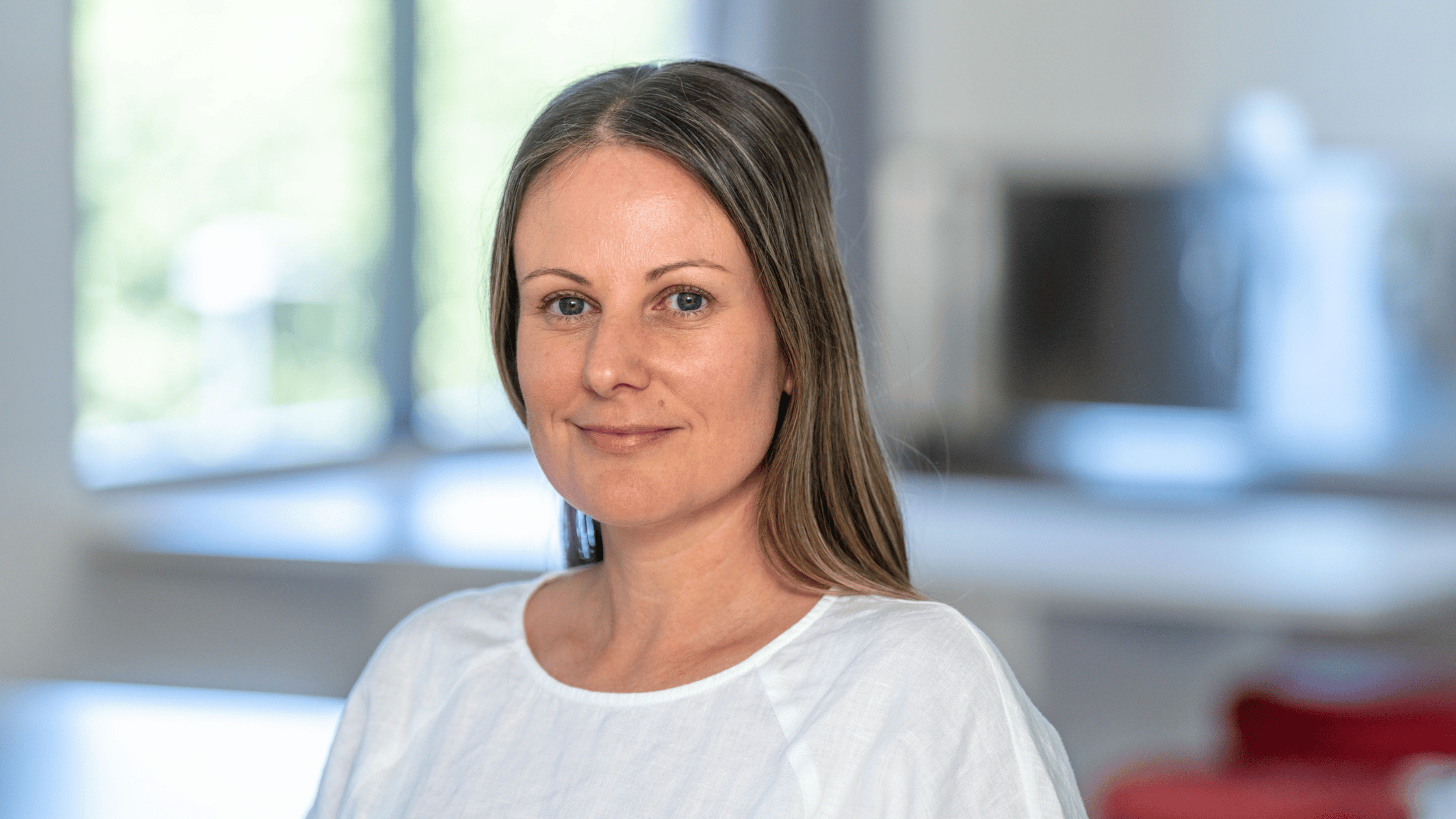
For UCRH Clinical Educator Sally Howard, helping speech pathology students find their feet on placement brings together two things she has enjoyed throughout her career: working with people and supporting the next generation of clinicians.
Sally started out as a speech pathologist working with adults across the continuum of care at a public hospital in Melbourne. She began supervising students early in her career, alongside managing her own clinical caseload, and quickly discovered how rewarding it was to watch students turn their university learning into practice.
“I really enjoyed supporting students to take what they had learnt at university and apply it to real clinical situations and people,” Sally said.
“That interest in teaching and supervision grew from there.”
From clinician to clinical educator
Over time, Sally took on greater leadership in clinical education, coordinating student placements, supporting and training other clinical educators, working with universities and contributing to education planning across speech pathology and allied health teams.
After 20 years working clinically in metropolitan Melbourne, Sally decided it was time for a change. She moved rurally and, in 2024, stepped away from clinical work to become a dedicated Speech Pathology Clinical Educator at the University Centre for Rural Health (UCRH).
Today, Sally supports undergraduate and master’s speech pathology students from a range of universities undertaking placements across aged care and Northern NSW Local Health District sites.
A key part of her role is helping students connect the dots between what they have learnt at university, what they encounter on placement and, importantly, what that means for the person in front of them.
That can include working with people living with dementia, Parkinson’s disease or the effects of stroke.
Sally aims to create an environment where students feel comfortable asking questions, having a go, making mistakes and reflecting on their practice. Feedback is an important part of that process, helping students recognise what they are doing well, understand where to focus next and gradually become more confident and independent.
What students bring to rural communities
While placements are an important learning experience for students, Sally sees first-hand that students also have plenty to offer the services and communities that welcome them.
“Students bring enthusiasm, current knowledge, different perspectives and the capacity to provide meaningful care to people in our community who may otherwise not be able to access allied health services,” Sally said.
Looking ahead, Sally hopes UCRH can continue providing high-quality rural placements that combine strong clinical experiences and support with opportunities for students to understand what rural practice and rural communities can offer.
She would like to see students immerse themselves in the communities where they undertake placement, consider building their careers rurally and ultimately contribute to a stronger and more sustainable rural health workforce.
“I’d like us to be known for developing confident, capable clinicians who understand rural communities and want to make a difference.”
