


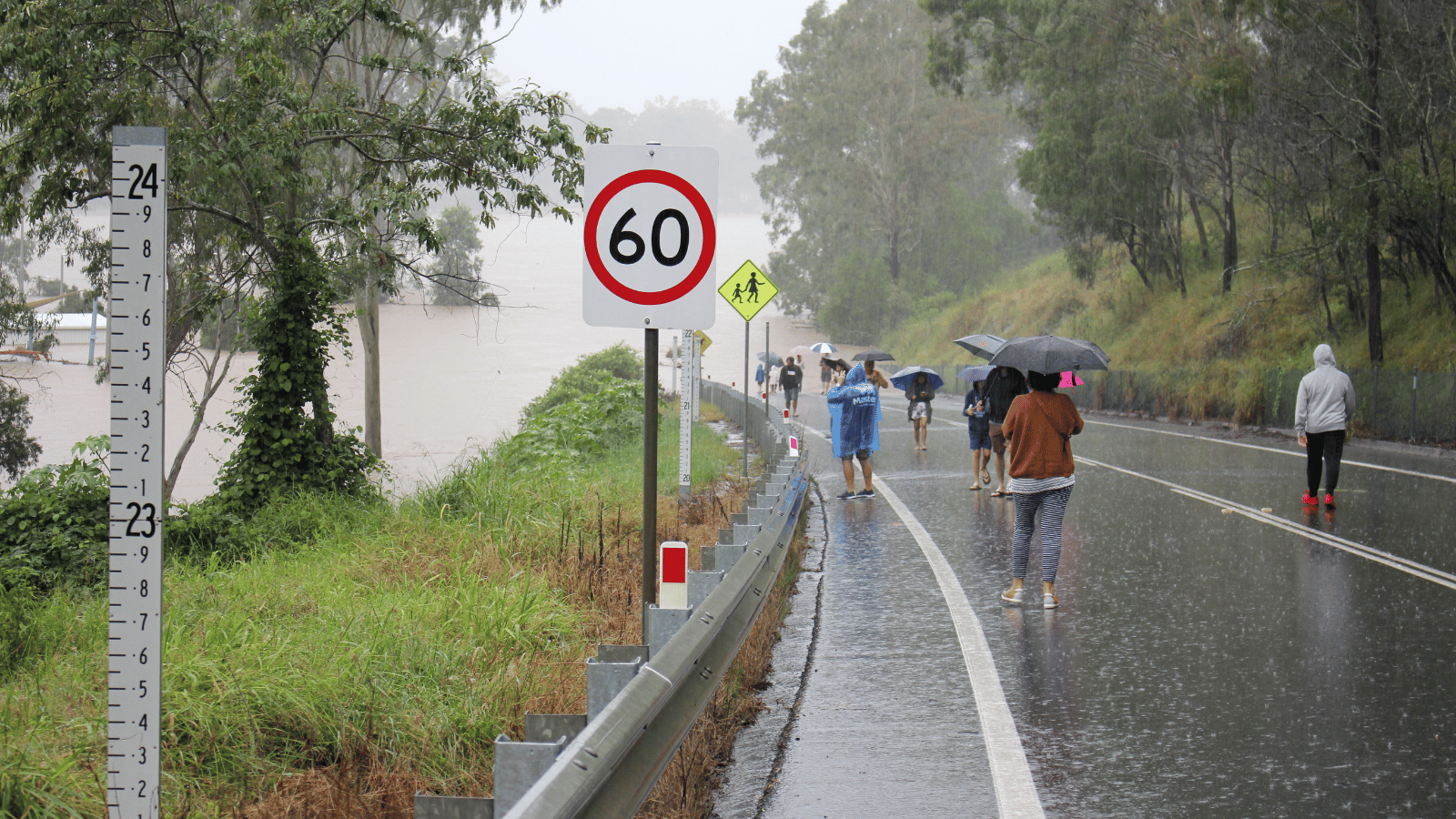
A new rural health research study co-authored by Dr Rebecca McNaught is reshaping how we understand the health impacts of environmental disasters across Australia. Published in Natural Hazards Research, the article Mapping Health Vulnerability in Australia in the Context of Environmental Disasters looks beyond traditional health measures to capture how climate driven events affect communities over time.
Bushfires and floods are becoming part of everyday life for many Australians, but their long term health effects are often uneven and hidden. This study tackles that gap by developing a national Health Environment Index that brings together health status, socioeconomic conditions and environmental exposure. Disaster risk is treated as a core factor, not an afterthought.
Using 2021 Census data, the researchers analysed every Local Government Area in the country, comparing places exposed to disasters with those that were not. The results show a clear pattern. Communities exposed to bushfires and floods recorded significantly poorer health environment scores, even after the immediate disaster period had passed. The impacts were not random. Spatial mapping revealed distinct hotspots where health disadvantage and environmental risk overlap.
What makes this work stand out is its practical focus. By visually mapping where disaster exposure and poor health outcomes intersect, the index provides a tool that can guide smarter, fairer decisions. It supports targeted investment, climate resilient planning and public health strategies that reflect real world conditions, particularly in regional and rural areas.
For policymakers, planners and health professionals, the research offers a new way to see the compounding pressures facing communities in a changing climate. For the broader public, it highlights why where you live matters when disaster strikes and long after the headlines fade.
