


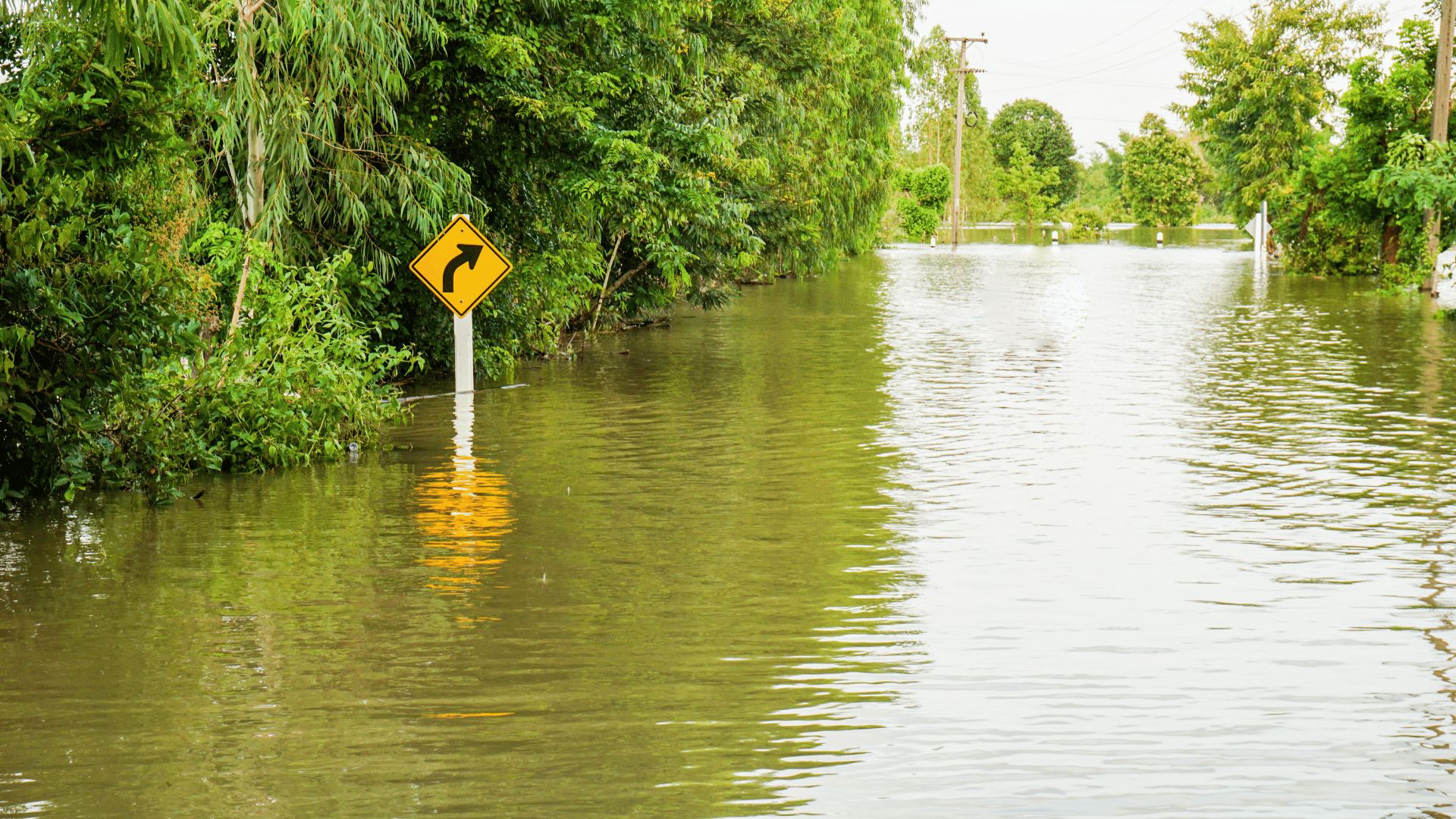
Drawing on lessons from the 2022 floods and Cyclone Alfred, UCRH and Healthy North Coast (HNC) have partnered on a new research project focused on how the Northern Rivers’ primary health system has prepared for, responded to and adapted to major disasters.
The project focuses on documenting how systems and practices have evolved over time, drawing on HNC materials, a review of Australian and New Zealand literature, and the perspectives of local primary healthcare providers and other stakeholders across the region.
UCRH Research Fellow Dr Rebecca McNaught, who is part of the project team, said the collaboration reflects the need to learn quickly and collectively in an era of increasingly frequent and overlapping disasters.
“In an era of compounding disasters, we need to learn fast and learn together,” Dr McNaught said. “This work brings health practitioners, researchers and decision‑makers around the same table to reflect on what’s changed since 2022, what’s working well, and what still needs attention as we plan for the future.”
The research is already underway, with a formal agreement in place, ethics documentation submitted, and recruitment of a research assistant. An Expert Advisory Group (EAG) has also been established to guide the work and co‑create outputs. The EAG includes members with on-the-ground experience of disaster response, and brings together HNC leadership and UCRH researchers, along with healthcare practitioners and leaders from the Pharmaceutical Society of Australia, Open Minds, Northern NSW Local Health District and local general practice.
Healthy North Coast CEO Monika Wheeler said the collaboration was an important opportunity to capture real‑world lessons from a region that continues to face compounding climate‑related events.
“Disasters have reshaped how health services operate in the Northern Rivers,” Ms Wheeler said. “This project is about capturing what we’ve learned – so we can keep improving locally and share those lessons with other regions facing similar challenges.”
The project will explore the role of Primary Health Networks during and between disasters, drawing on HNC’s experience to examine how healthcare practitioners (GPs, pharmacists, and allied health practitioners) and primary health networks can adapt under pressure, innovate in response to disruption, and support community wellbeing over extended recovery periods.
Dr McNaught said the research builds on UCRH’s embedded, place‑based approach to working with communities and organisations in the Northern Rivers.
“Resilience is built by and with communities, not for them,” she said. “By documenting lived experience and system‑level adaptations as they happen, we can help strengthen future disaster planning — not just here, but in other regions facing similar risks.”
The project’s primary output will be an academic publication co authored with HNC colleagues and local clinicians, with findings intended to inform future primary health network disaster preparedness and health system planning in the Northern Rivers and other disaster prone regions across Australia.
