News

Search News and Articles

Local knowledge saves lives

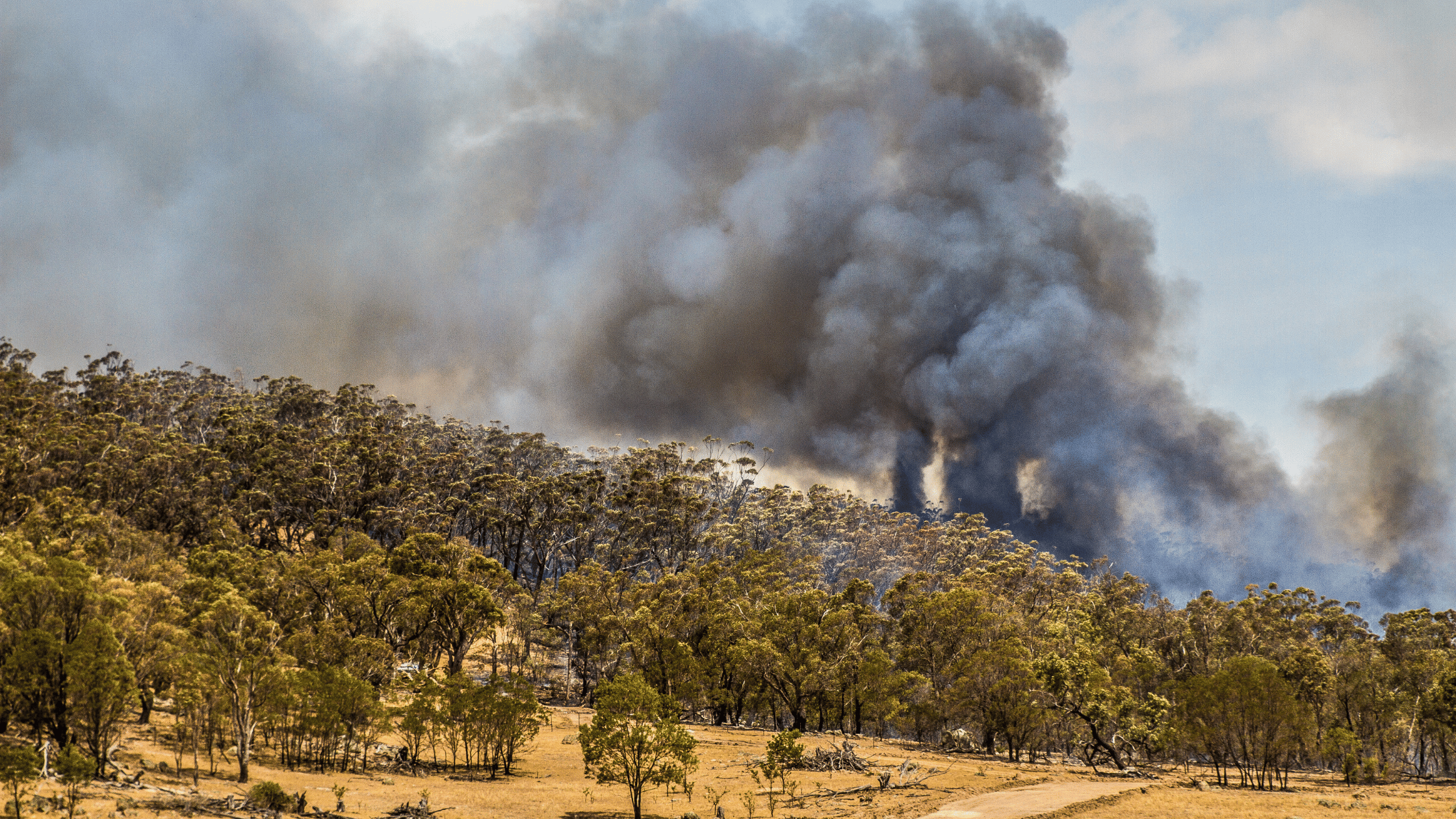
Community-led responses are a critical part of rural health research, especially as climate disasters become more frequent and severe. A new journal article co-authored by UCRH researchers Jo Longman, Emma

Read Article

More News

UCRH researcher Associate Professor Veronica Matthews is among a group of academics who have published research addressing this very question. Their paper, Why are solar microgrids not the norm in remote Central Australia? Exploring local perception on solar energy and health, has been published in the Journal of Cleaner Production.

UCRH researchers have joined colleagues from the University of Sydney and other leading universities to call for a rethink of how food security (and insecurity) are considered in relation to Indigenous peoples. Their editorial, published in the Health Promotion Journal of Australia points out that food insecurity disproportionately impacts Indigenous

UCRH research Dr Jodie Bailie is among a broad team who have published results of their national study looking at rural nursing and allied health placements during the latter stage of the COVID-19 public health emergency. Their work explored changes to rural nursing and allied health placements during the latter

A recent analysis of survey data has shown that virtual care is well-received by older Australians living in rural areas, especially those with chronic conditions. The study analysed feedback taken between 2020 and 2022 from 264 patients aged 65 and above to understand their experiences with virtual healthcare. The retrospective,

UCRH is delighted to share news that Tim Watson, a Sydney Health medical student who undertook a rural placement with UCRH, has won the 2024 Dean’s Prize for Research (Public Health). The work he did to win the award explored the relationship between climate change and skin cancer and implications

As we wrap up another year of medical education, we wanted to share a quick video looking back at this year’s North Coast Medical Education Collaboration gathering. Held every year, the gathering brings together the three universities who are part of the collaboration (University of Sydney, University of Wollongong and

Floods are a common occurrence in Australia, and with climate change, their frequency and severity are expected to rise. A new scoping review led by UCRH researchers has reviewed the health impacts of flooding in Australia over the past 70 years, highlighting significant findings and research gaps. The study analyzed

Last week members of UCRH’s allied health team were awarded the 2024 Diana Maloney Service Recognition Award. The team – all the professional and academic staff involved in working with and supporting speech pathology students on placement at UCRH – were recogised as part of Service Recognition Awards at the

Last week UCRH hosted allied health professionals from the region for a workshop on collectively developing a strong and productive educational alliance to support students on placement in the Northern Rivers. A key aim of the day was to bring together experienced educators and as well as clinicians new to

In late October, a group of allied health students on placement with UCRH spent the day with the Old Bonalbo branch of the CWA. The event – a French-themed women’s wellness day – was a perfect opportunity for them to share advice and insights related to their fields of study

Last week UCRH hosted the annual face to face meeting of the North Coast Medical Education Collaboration (NCMEC). Since 2007 we have delivered the North Coast Medical Education Collaboration between the Universities of Wollongong, Western Sydney and Sydney to provide placements for long stay medical students in addition to our

A recent study involving UCRH and University of Sydney researchers has focused on factors that can positively influence students’ knowledge of and appreciation for the First Nations peoples’ culture, impacts of colonisation and other determinants of health. The research is outlined in a paper, Shaping competencies for culturally safe practice