


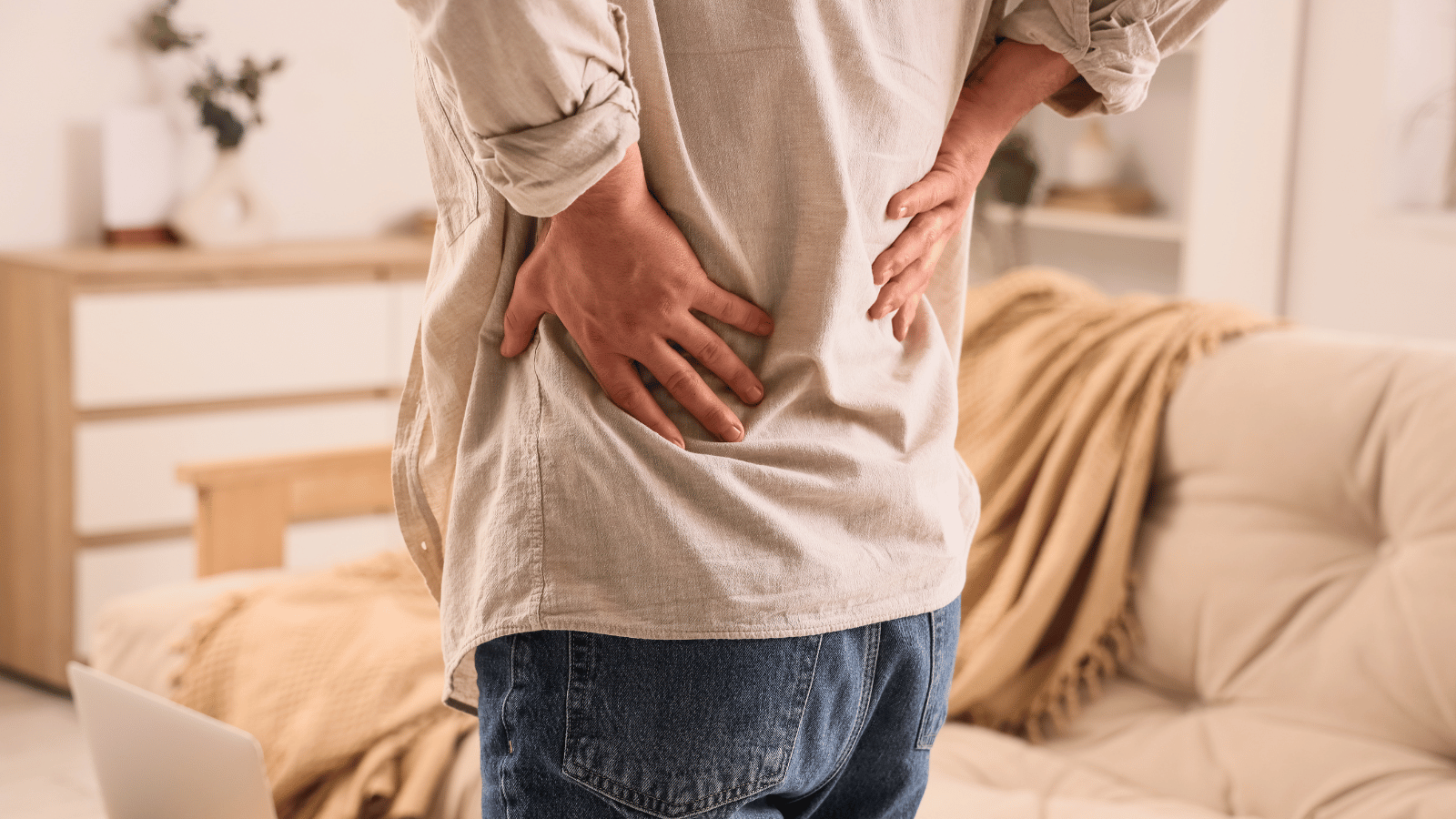
Could treating chronic low back pain involve more than physiotherapy alone? New rural health research led by UCRH researcher Dr Emma Mudd has explored how lifestyle support can be integrated into physiotherapy care.
Published in Public Health Research & Practice, the study evaluated the delivery of the Healthy Lifestyle Program (HeLP), which combines physiotherapy with support to address lifestyle factors associated with chronic low back pain.
The 26-week program involved 174 adults with chronic low back pain and included consultations with clinicians, educational resources and referrals to telephone-based support services.
Researchers examined how consistently the program was delivered, how participants engaged with its different components and whether patients and clinicians considered the approach practical and appropriate.
The findings were encouraging, with clinicians delivering more than 90 per cent of the program as intended. Both patients and clinicians considered the integrated approach acceptable and saw value in addressing lifestyle factors alongside back pain treatment.
However, engagement varied. Participants attended an average of 3.2 of the five consultations offered, while fewer than half used the online resources.
The findings highlight opportunities to improve the program through more personalised support, flexible delivery options and stronger clinician skills in helping patients make lifestyle changes.
Dr Mudd led the paper, titled An integrated Healthy Lifestyle Program (HeLP) and physiotherapy care for low back pain: a mixed methods process evaluation, with UCRH colleagues Simon Davidson and Professor Chris Williams among the co-authors.
The research provides insights into how integrated approaches to chronic low back pain care could be refined to better meet patients’ individual needs.
