


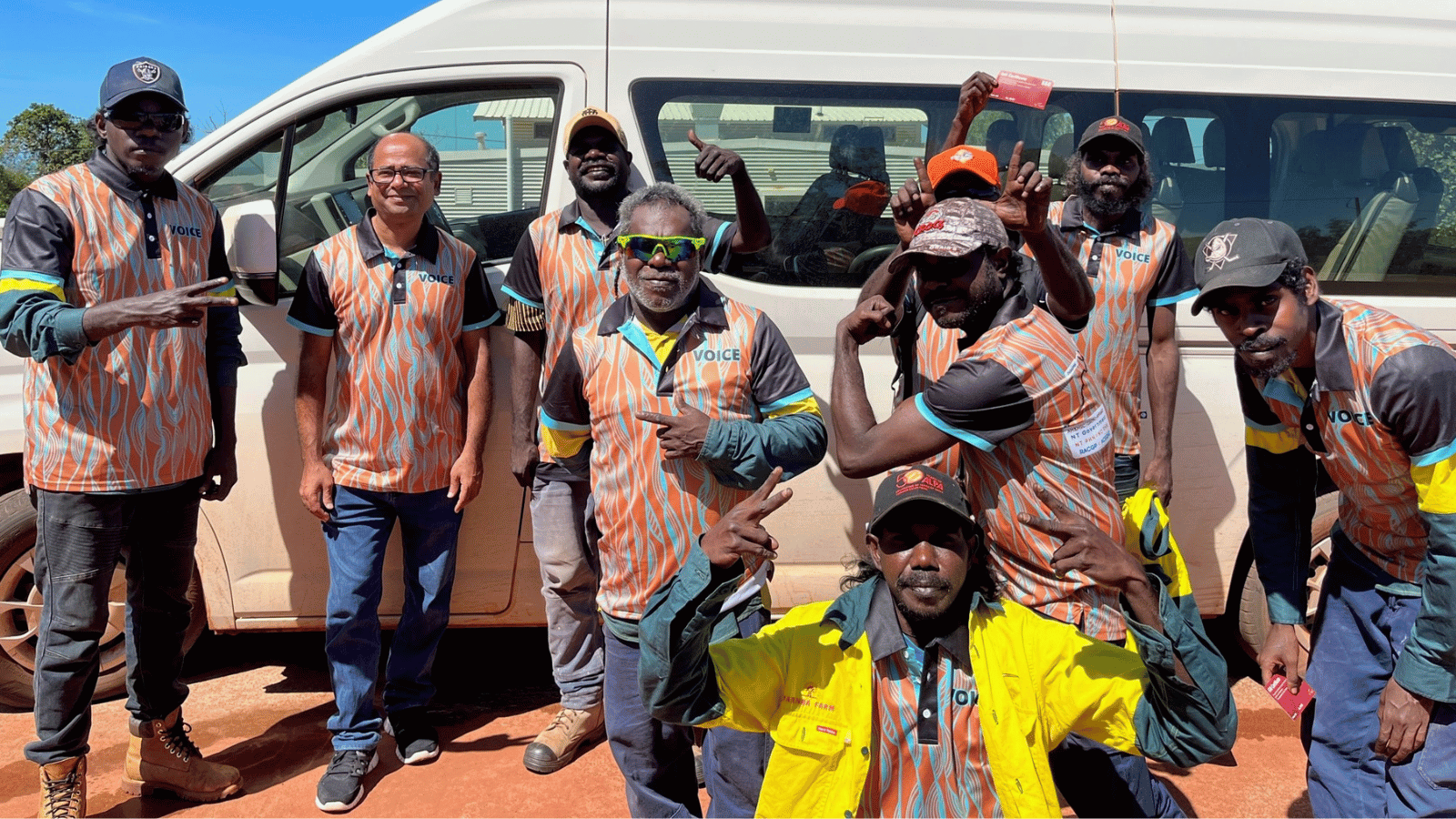
What matters most to Aboriginal and Torres Strait Islander people when they visit a health service? New Aboriginal health research led by UCRH researchers is helping ensure the answer comes directly from communities themselves.
The research forms part of the Validating Outcomes by Including Consumer Experience (VOICE) Project, which is working with Aboriginal and Torres Strait Islander communities and health services to develop a tool for gathering feedback about patients’ healthcare experiences.
Published in INQUIRY: The Journal of Health Care Organization, Provision, and Financing, the study explored which aspects of healthcare communities considered most important and whether health services could use that feedback to improve care.
Led by Indigenous researchers, the study involved community members identifying their priorities, followed by consultation with healthcare stakeholders about how these could be measured and used.
The process identified 39 topics for inclusion in the proposed feedback tool, covering areas such as access to quality care, feeling comfortable and welcome in healthcare settings, receiving clear information and being involved in decisions about care.
Importantly, many of these topics are not routinely captured through existing patient feedback measures.
The findings will help inform the next stage of developing the VOICE tool, with the aim of providing health services with more meaningful information to guide improvements in care.
The study, titled Community-defined priorities for an Indigenous patient experience feedback tool: a mixed-methods study of stakeholder assessments of feasibility and actionability, was co-authored by UCRH researchers Amal Chakraborty, Associate Professor Emma Walke, Associate Professor Veronica Matthews, Alison Laycock, Tracey Piccoli and Professor Megan Passey, alongside Erika Langham.
The research highlights the importance of ensuring Aboriginal and Torres Strait Islander people’s experiences and priorities shape how healthcare quality is measured and improved.
