


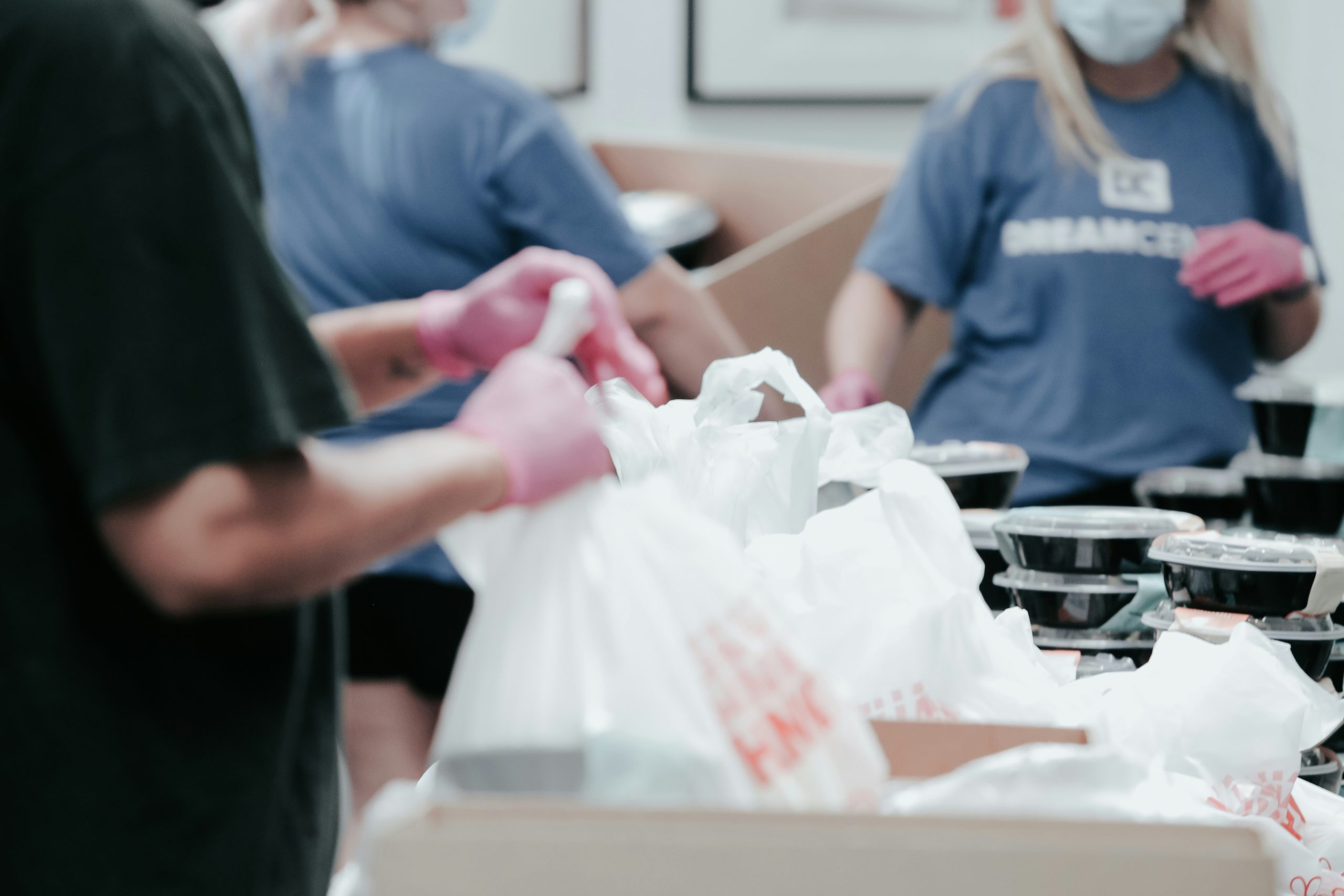
Research just published in Medical Education delves into the experience of medical students who volunteered their time and skills when a regional town experience disaster, drawing important insights around their motivations and mental health implications.
When major floods devastated the Northern Rivers last year, a large group of medical students were on rural placements in the region. Like the community members around them, many of the students were directly impacted by the floods but also felt a responsibility to help and volunteered their time and skills across many settings in the days and weeks that followed.
Researchers from the UCRH took the opportunity to delve into what motivated these medical students to volunteer and to examine the impacts on their mental health. The mixed-methods study, titled “Volunteering as Prosocial Behaviour by Medical Students Following a Flooding Disaster and Impacts on Their Mental Health: A Mixed Methods Study,” has now been published.
Lead author Dr Jodie Bailie from UCRH said the study provided insights into supporting volunteering pathways and mental health support for medical students, and the implications of this for medical education in better preparing students for future disasters.
“We were looking at this from the perspective of how to prepare, encourage and support volunteering,” Dr Baillie said.
“We know that volunteers play a huge role in supporting communities to respond to, and recover from disasters and we also know that climate change is leading to more frequent and more intense weather disasters.
“The potential for medical students to support the community response and recovery after disasters should not be overlooked. Supporting them to volunteer will help students develop and hone valuable skills, but will also be a tangible support for countless people whose lives and health will be impacted by climate change,” she added.
The study involved 36 medical students in survey and focus groups, and found that despite personal stress, anxiety, and trauma experienced during the flood events, the medical students demonstrated a strong willingness to volunteer.
The students also reported feelings of personal reward, guilt, and empathy, which contributed to their willingness to provide assistance to those affected by the disaster.
Concerns about personal safety, both physical and psychological, emerged as significant barriers to continued volunteering efforts. Some students reported anxiety related to unsafe conditions and distress due to the emotional toll of witnessing the disaster’s impact on the community.
The study revealed that about one-third of the medical students experienced ongoing distress and feelings of terror, helplessness, or hopelessness even weeks after the first flood event.
Importantly, the study highlighted the need for universities to offer comprehensive support to medical students who volunteer during disaster relief efforts. Adequate training in disaster response, trauma-informed care, and psychological support is crucial to ensure students’ safety and well-being.
“This study showed that medical students were highly likely to volunteer and so we need to ensure they are able to do so effectively without being exposed to unnecessary harms,” Dr Bailie added.
“We need to prepare students in all health fields not only to apply their skills day to day, but to be able to do so in emergency situations too. If we can equip them with the right skills and knowledge, we can ensure that they are well-prepared to respond effectively but maintain their own well-being at the same time.
“That’s important for them as individuals, important to the universities that train them, and ultimately, it’s important to all of us and the communities we live in.
“Despite the mental health toll felt, students told us the experience of volunteering when their community faced such a challenge really helped them feel a sense of belonging and that makes them more open to practising in a rural community in the future,” she ended.
Read the full publication here: https://asmepublications.onlinelibrary.wiley.com/doi/full/10.1111/medu.15199
Photo by Joel Muniz on Unsplash
